How Much Does Hurricane Protection Cost in Mexico?
Hurricane fabric protection systems are custom-engineered based on high-velocity wind-load calculations, opening spans, mounting substrates, and motorization requirements. Contact our engineering team directly for a precise project calculation.
What "Opening Area" Means
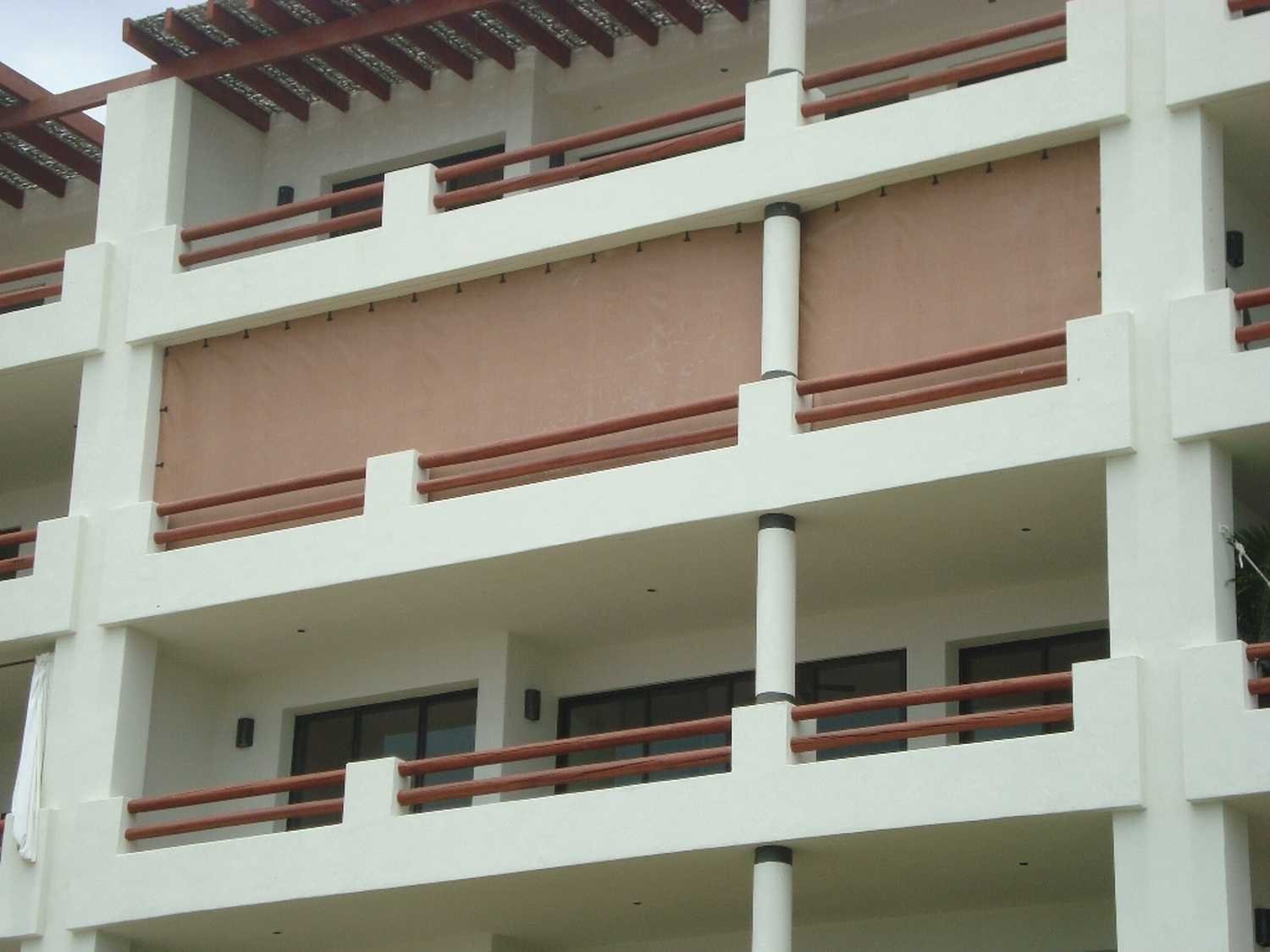
The price applies to the opening area, not the size of the property. A 300 m² villa does not have 300 m² of windows. It may have between 50 and 100 m² of total opening area — the combined surface of all the windows, sliding doors, and glass panes that require protection. That is the number the price is applied to.
What the Base Price Includes
- Custom fabrication of each screen to the exact dimensions of your openings
- Installation of certified stainless steel anchors, permanently integrated into the structure — done only once
- Professional installation by our certified team
- On-site training for your staff and delivery of a written manual
- Certification documentation (Level E, Miami-Dade NOA, Florida Building Code) for insurers
The Four Systems
| System | Certification | Ideal For | Warranty |
|---|---|---|---|
| HS-875 | Cat 3 | Properties more than 500m from the coast, controlled budgets | 5 years |
| HS-1250 | Cat 5 | Luxury residences, properties within 1 km of the coast | 7 years |
| HS-1500 | Level E — military | Beachfront, hotels, where failure is not an option | 10 years |
| AquaGrid | Custom engineering | Openings larger than 3.8m: lobbies, hotel facades, large windows | Variable |
The distance to the sea and the size of your openings determine which system your property really needs. We tell you directly — and we will not recommend a higher level than your exposure justifies.
An important note about AquaGrid
AquaGrid is a structural mesh system designed specifically for openings that exceed the safe limits of conventional screens — hotel lobbies, large glass facades, windows larger than 3.8 meters in a single opening.
Unlike the HS-875, HS-1250, and HS-1500 systems, AquaGrid is custom-manufactured at our plant in the United States and shipped to the project site. This involves production times and import logistics that must be planned in advance, and it is reflected in a higher cost per square meter than standard systems. AquaGrid pricing is quoted individually according to the specific dimensions and conditions of each opening.
If your openings are large-scale, contact us at the assessment stage so we can include fabrication and logistics times in your project planning.
EXPLORE EACH
SYSTEM IN DETAIL.

Ballistic fabric — the same material as your car's airbag. Over 1,500 psi: Clemson University's testing machine reached its limit before the fabric did. For beachfront properties where failure is not an option.
- Over 1,500 psi (Cat 5 = 1,200 psi)
- Level E Certification — Essential Facilities
- Miami-Dade NOA and Florida Building Code
- Patented flexible anchor system — 8 points
- 10-year warranty
The final cost of your project depends on these five factors. None of them is optional — they are determined by your property, location, and project requirements.
- HS-875 (Cat 3) — Base cost. 500m+ from the coast. 5-year warranty.
- HS-1250 (Cat 5) — Within 1 km of the coast. 7-year warranty.
- HS-1500 (Military Level E) — Beachfront, hotels, critical infrastructure. 10-year warranty.
- AquaGrid — Custom-made at a U.S. plant, shipped to Mexico. For openings >3.8m, lobbies, large facades. Includes fabrication time and import logistics.
- Simple Anchoring: Female PanelMate anchors with steel bolts. Most residential installations. Standard cost.
- Complex Anchoring: Ring bolts, carabiners, and drop anchors with reinforced expansion systems. For tall buildings, structures with movement, or critical infrastructure.
What Increases the Cost — and Why
This is the section most hurricane protection companies leave out. We include it because surprises after a proposal serve no one.
- Extended coast — locations such as Mahahual, Puerto Escondido, or other distant sites require long trips, vehicle rental, and team time on site for several days. These costs are quoted case by case.
- Islands — Cozumel, Isla Mujeres, Holbox, and other islands require sea transport for our team and the materials. Boat transfers, material handling, and island logistics are real costs that can add a significant amount to the project total.
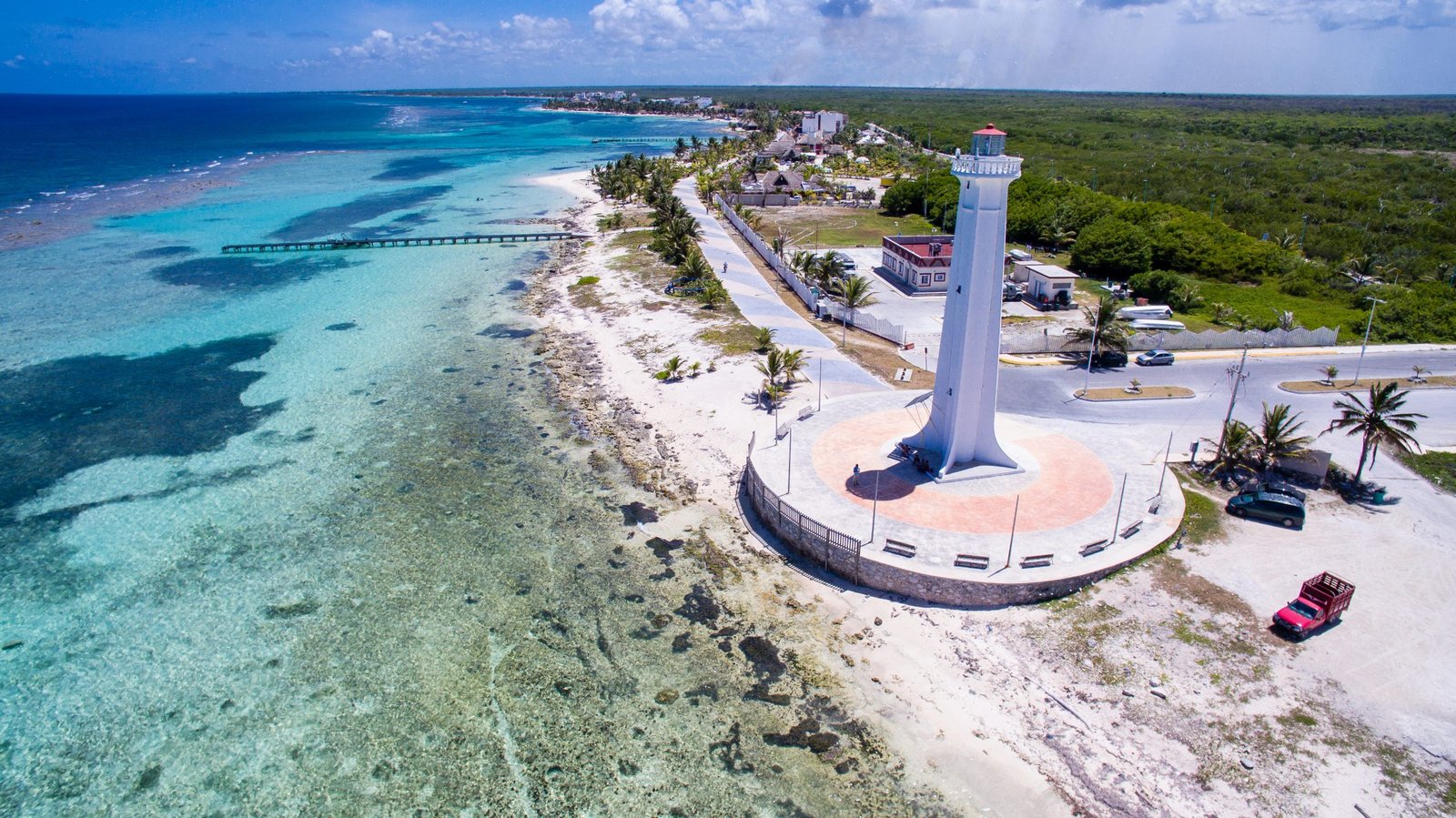
If your property is outside the Cancún–Playa corridor, mention it when requesting your assessment so we can give you an honest logistics estimate from the start.
Factors That Determine the Final Price
To give you the complete picture, the final price of your project will depend on:
- The required system — depending on the distance to the sea and your property's level of exposure
- The total size of your openings — depending on how many windows, doors, and glass panes require protection
- The structural conditions — depending on whether your building requires prior PTR installation
- The working height — depending on the number of floors and available access
- The project location — depending on whether it is within the Cancún–Playa corridor or requires additional logistics
- The opening type — depending on whether your openings are standard or require AquaGrid due to their dimensions
The only reliable number is the one that results from evaluating your specific property. Everything else is an approximation.
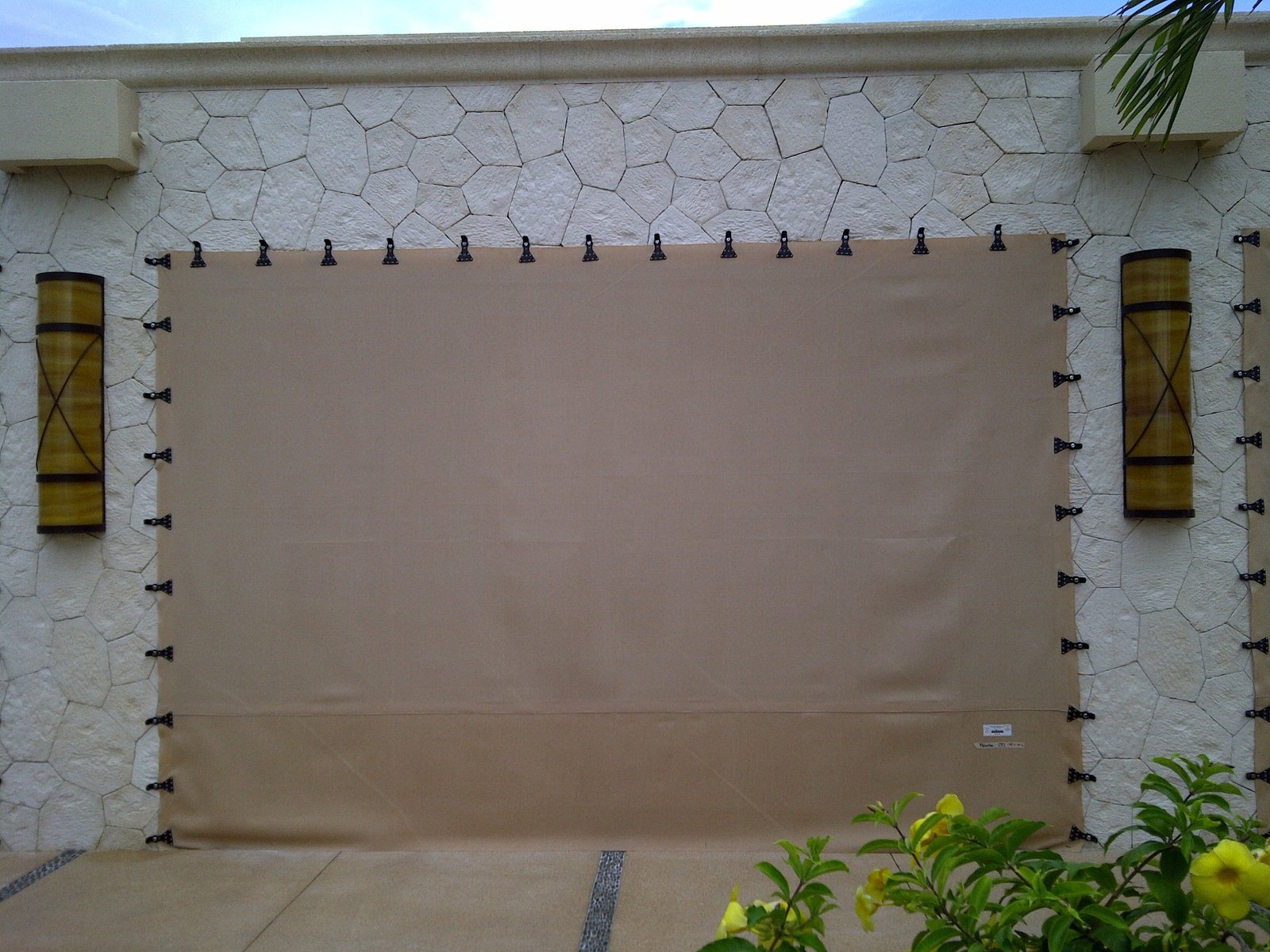
What a Real Project Looks Like
Hurricane fabric protection systems are custom-engineered based on high-velocity wind-load calculations, opening spans, mounting substrates, and motorization requirements. Contact our engineering team directly for a precise project calculation.
Engineering & Quote Notice
Hurricane fabric protection systems are custom-engineered based on high-velocity wind-load calculations, opening spans, mounting substrates, and motorization requirements. Contact our engineering team directly for a precise project calculation.
Hurricane fabric protection systems are custom-engineered based on high-velocity wind-load calculations, opening spans, mounting substrates, and motorization requirements. Contact our engineering team directly for a precise project calculation.
The Cost of Not Protecting the Property
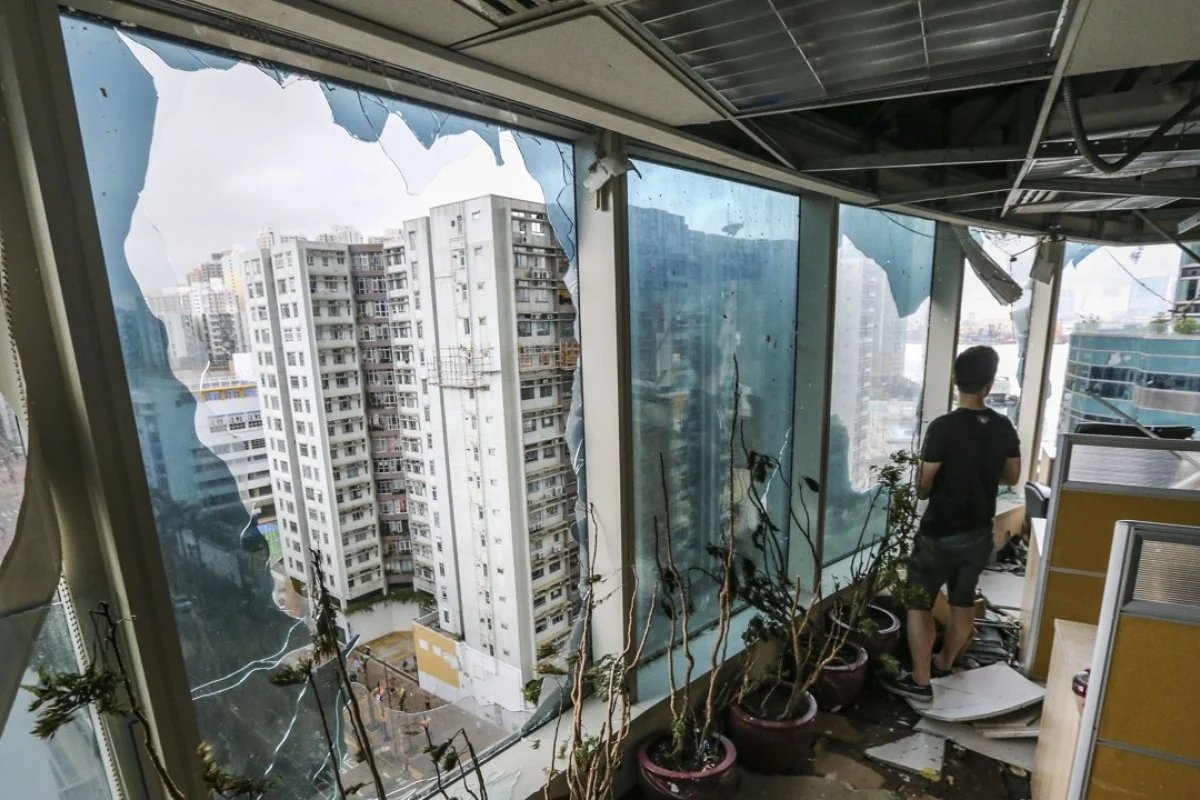
The Live Aqua in Cancún lost more than $100 million USD after Hurricane Wilma closed the hotel for 3 years.
For a residence, the repair costs from broken glass, water intrusion, and moisture damage frequently exceed the cost of protection — not counting the deductible, contractor wait times, or rental income lost during repairs.
We are not the cheapest option on the market. We are the only option in Mexico with military Level E certification.
The only way to get a real number for your property is a technical assessment. It is free, with no obligation, and it is the only honest way to account for all the variables this guide describes.
We measure each opening, evaluate your structure and access, determine whether it requires PTR or scaffolding, confirm whether any opening needs AquaGrid, and deliver a specific, itemized proposal — not a range.