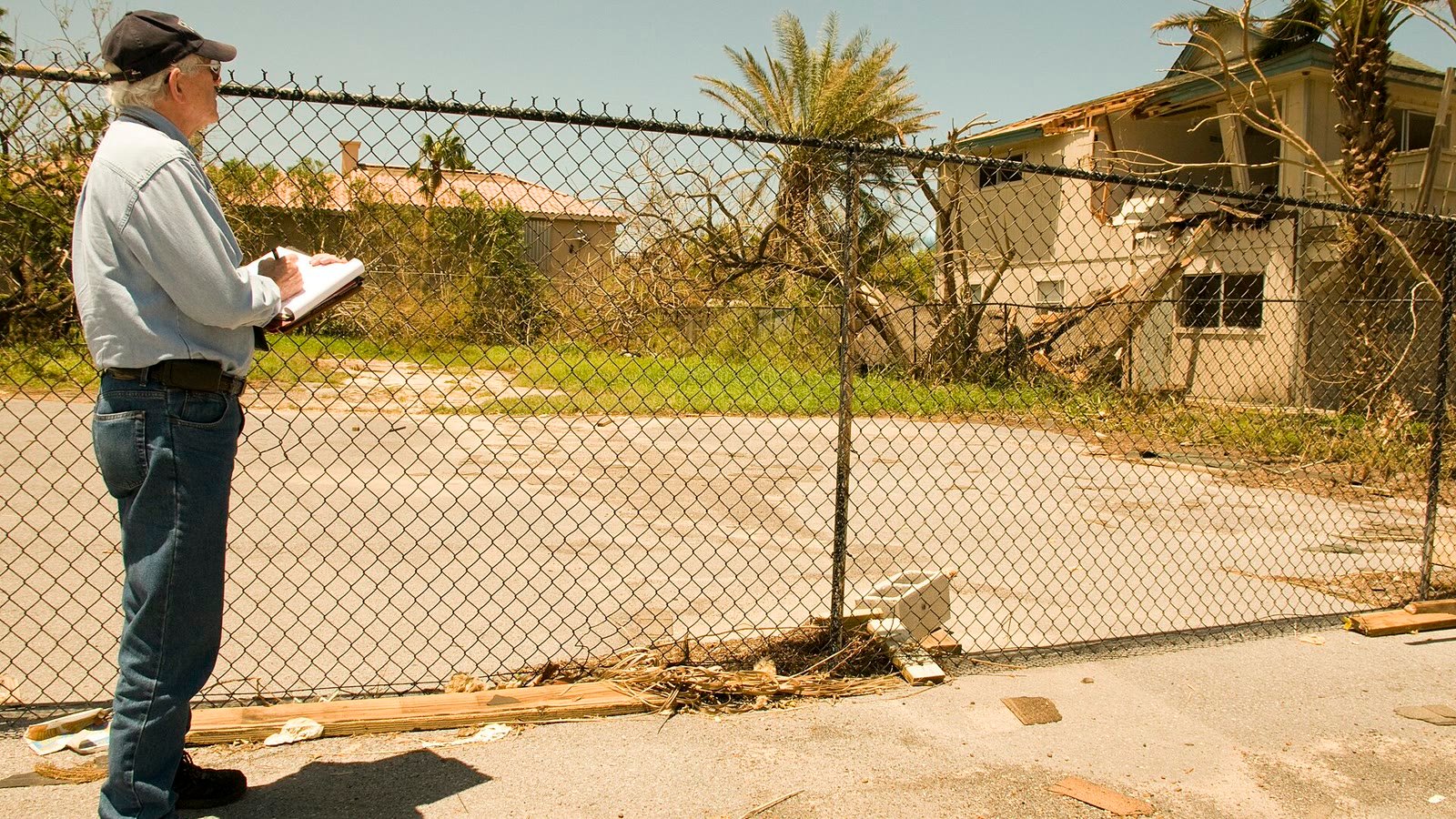
A season like 2026 changes the renewal conversation for coastal property in Mexico. After Polo, Rachel, Simon, and Trudy, expect insurers to look harder at coastal buildings. Their questions cluster around three things: what protects each opening, what independent evidence backs it up, and who deploys it before a storm. The best preparation is a complete, current mitigation file.
A note before we start: Hurricane Solution is not an insurance company or an insurance agent. This article explains how to document a property's physical protection. Each insurer sets its own policy terms, so review them with your agent or broker.
The 2026 Season and Why Insurers Will Ask More
Mexico's Pacific coast had an unusual 2026. Five consecutive hurricanes reached major status, and Polo set the record for time at Category 5 in the eastern Pacific. Without making landfall in Colima, Simon damaged 71 homes and 35 businesses in the state, Governor Indira Vizcaíno told Telemundo on October 12, 2026. We cover the season in lessons from the 2026 Pacific season.
For insurers, 2026 follows several expensive years. According to the Mexican Association of Insurance Institutions (AMIS), cited by Zeta Tijuana in June 2026, hurricane and tropical storm claims paid in Mexico reached 11.3 billion pesos in 2025, about 70% more than the year before. Otis still weighs heavily: roughly $2.105 billion in insured losses, second only to Wilma for the industry.
Nobody knows how each insurer will adjust 2027 rates. What's predictable is that underwriters will want to understand what they're insuring. That turns documentation of physical protection into an asset.
Being Insured Is Not the Same as Being Protected
Insurance pays back part of a loss after it happens. Physical protection reduces the odds and the size of that loss. Neither replaces the other. A policy won't stop a window from breaking or a hotel from closing for weeks. Deductibles, coinsurance, limits, exclusions, and adjustment time leave part of the cost with the owner.
Eikos data cited by IDC in 2024 put hydrometeorological coverage at about 6.5% of homes and 18% of businesses in Mexico. That coverage is usually an add-on, not automatic, so confirm it's in your policy.
| Factor | Insurance | Certified physical protection |
|---|---|---|
| Prevents damage | No | Reduces its likelihood and size |
| Prevents closure | No | Reduces days closed |
| Covers deductible and coinsurance | No | Not applicable: reduces the loss at the source |
| Requires documentation | Yes | Yes, for it to count with the insurer |
| When it works | After the event | Before and during the event |
What Insurers Usually Ask
Every insurer has its own questionnaire, but for coastal property the questions fall into five areas:
- Location and exposure: distance to the sea, elevation, floors, facade orientation, and loss history.
- Construction and building envelope: structure, roof, glazing, frames, and number of openings.
- Opening protection: which system, whether it's certified and to what standard, and whether it covers the whole envelope or only the ocean side.
- Operations: who deploys it, how far ahead, under what written protocol, and with what trained staff.
- History and maintenance: prior claims, whether they were fixed, and the last inspection date.
"Yes, we're protected" tells an underwriter nothing. "All 84 openings have hurricane fabric screens with a verifiable Miami-Dade NOA, permanent anchors, and a deployment protocol triggered by a hurricane watch" does. To an insurer, undocumented protection is nearly the same as none. Underwriters assess what they can verify on paper.
The Mitigation File: What It Should Include
A mitigation file gathers the evidence that a property is protected and that the protection is adequate. Hurricane Solution delivers one at the close of every project; details are on our insurance documentation page.
- Protected-openings schedule: every window, door, sliding glass door, and service access with dimensions and installed system, ideally on floor plans.
- Certifications with verifiable numbers: standard, lab, and approval. Our HS-1500 screen holds Miami-Dade NOA 25-0519.01, searchable in Miami-Dade's official database, and was tested to ASTM E1996 Missile Level E.
- Dated photos: anchors, the deployed system, and fastening in the substrate.
- Invoice and contract: supplier, scope, and date. A project without an invoice is hard to prove.
- Written warranty: ours run 5 years on HS-875, 7 on HS-1250, and 10 on HS-1500.
- Deployment protocol: activation trigger, responsible staff, sequence, and timing.
- Training, maintenance, and deployment log: drills, annual inspections, and every real deployment with dates and photos. Many Pacific properties logged two or three in 2026.
Three Different Renewals
The hotel with a file. A 180-room hotel on Banderas Bay arrives with plans, verifiable certifications, photos, a warranty, a protocol, and a log of two 2026 deployments for Simon and Trudy. Its agent hands over the file before anyone asks. The conversation shifts from "how exposed are you?" to "which terms can we revisit?"
The hotel without one. A similar hotel has protection, but its installer is gone, there are no invoices, and nobody knows the certification. "It looks very sturdy" can't be verified, so the underwriter treats the building as unprotected.
The remodeled condo. A Mazatlán condominium had a spotless 2019 file. In 2024 it swapped the restaurant's picture windows for glass folding doors. The file no longer matches the building, and after a loss that mismatch can complicate the claim.
Where the Money Is
For Otis, AMIS estimated insured hotel damage at about 7.727 billion pesos across 101 appraised hotels. What insurance doesn't pay matters too. Deductibles and coinsurance are percentages that vary by insurer, zone, and policy, and on a high sum insured even a small percentage is serious money.
Insurance also takes time. For a 200-room hotel at a $180 average rate and 70% occupancy, each closed day means about $25,000 in lost room revenue (estimate). Business interruption is recovered only if you bought it. We saw this in Simon's aftermath in Puerto Vallarta.
Why Insurers Focus on Openings
Most severe damage starts at an opening. When a window fails, wind pressurizes the interior. Combined with suction outside, that can lift roofs and wreck walls. So what matters is how much of the envelope is protected—service doors, kitchens, and mechanical rooms included—and to what standard.
ASTM E1996 Missile Level E fires a 9-pound 2×4 at 80 feet per second, versus 50 for Level D. A Miami-Dade NOA shows a product meets the toughest hurricane code in the U.S. A lab report with no code approval says less. See testing and certifications.
After 2026, a deployment log is worth nearly as much as a certification. One proves the system holds; the other proves the property uses it in time. See when to deploy if a hurricane changes track.
How to Prepare Before Renewal
- Start at least 60 days before your renewal date.
- Ask your installer for the file, or an update if the building changed.
- Verify certifications in the official databases.
- Document your 2026 deployments with dates and photos.
- Give the file to your agent and review deductible, coinsurance, and business interruption terms together.
If you live far from your property and your manager can't answer the five questions above, get an assessment. Hurricane Solution is a preferred vendor in the Chubb Masterpiece protection network. That doesn't mean automatic terms on any policy, but our documentation matches what a high-value property insurer reviews. Several clients have used their file to negotiate; results depend on each insurer and no premium reduction is guaranteed. Request a free technical assessment via WhatsApp or our contact page.
Frequently Asked Questions
Will hurricane protection lower my insurance premium?
Well-documented protection can help you negotiate, but each insurer sets its own terms and no reduction is guaranteed.
Which document matters most?
The certification with a verifiable number, backed by installation photos.
Can my insurer verify a Miami-Dade approval?
Yes. NOA numbers are searchable in Miami-Dade County's public product database.
What if my previous installer is out of business?
A technical assessment can identify the installed system and its condition, and serve as the basis for rebuilding the file.
Is Hurricane Solution an insurance company?
No. We're a hurricane protection company, and we deliver mitigation documentation at the close of every project.