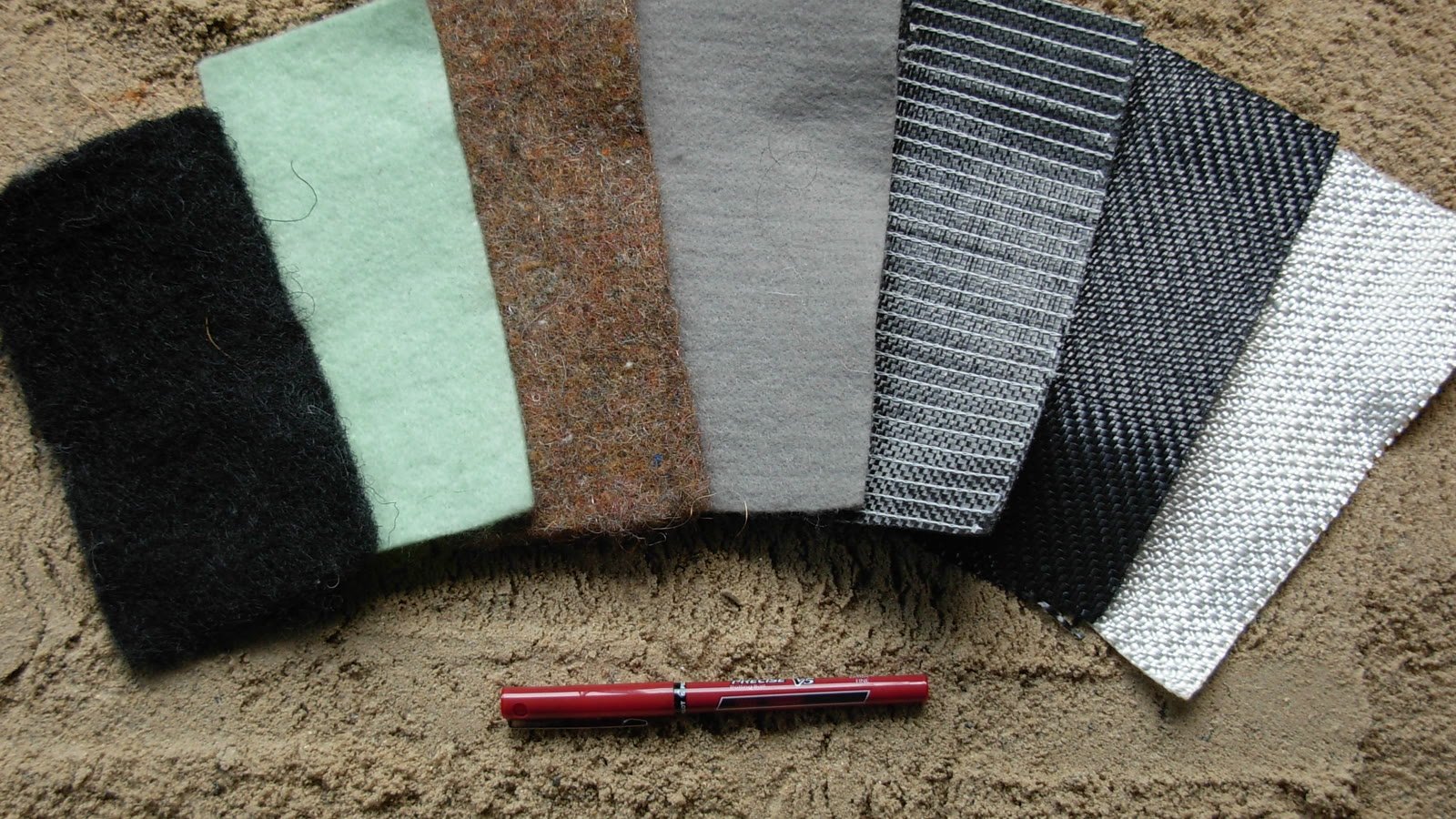
Short answer. The Mullen Burst test measures how well a fabric resists bursting under pressure. Hurricane Solution publishes 1,500+ PSI for the HS-1500 material. To judge the protection at an opening, you also need the assembly test, which documents how the screen and its fasteners behaved in the tested configuration.
If you're comparing hurricane fabric screens for a property in Puerto Vallarta, a spec sheet may list a PSI value next to impact and anchoring references. The Mullen Burst test describes a property of the material. To use that number in a buying decision, find out which sample was tested and which documents describe the complete installation.
Hurricane Solution has installed certified hurricane fabric screens in Mexico since 2008. A hurricane fabric screen is a removable textile barrier fastened over an opening to keep out wind, rain, and wind-borne debris. An opening is any gap in the wall—a window, a door, or a sliding glass wall. Protection is designed for the opening and its support, so review both before comparing results.
In this article
- What a burst test actually measures.
- How to read the figure Hurricane Solution publishes.
- Which evidence covers the anchors and the assembly.
- How to use test results in a buying decision.
What does the Mullen Burst test measure?
The Mullen Burst test measures the bursting strength of a fabric sample under pressure. The ASTM D3786 method describes a diaphragm test for evaluating that property. PSI—pounds of force on each square inch—is the pressure unit behind the published figure.
On a spec sheet, identify the material and the test method. Then check whether the document reports a measured rupture or a reported limit. That distinction matters when you compare two fabrics. A result published with a "+" sign means checking the original report before assigning an exact burst value or drawing conclusions about the test equipment's capacity.
How should you read the HS-1500 figure?
The HS-1500 material and assembly spec sheet lists 1,500+ PSI for the material's burst strength. That figure describes the tested fabric. As an owner, use it to compare evidence about the screen itself, and review separately the tests that apply to the assembly that would cover your window.
The force on an installed screen travels into the fasteners and from there into the building's structure. A pressure value from a fabric sample and a design load for an opening are two different measurements. Ask your installer which document backs each claim and which wall conditions must be checked on site.
What does the assembly test report add?
The assembly report shows how the screen was fastened during the test, which configuration was tested, and how it performed. The Miami-Dade product file is the starting point for reviewing the approval and the evidence it cites, including Fenestration Testing Laboratory tests when they appear in the system documentation.
A Notice of Acceptance (NOA) is the product approval issued by Miami-Dade County. The Hurricane Solution HS-1500 system is rated for Category 5 hurricanes, with a Miami-Dade NOA and ASTM E1996-09 Level E certification. The file lets you review the conditions of use for the screen and anchoring system. An architect, engineer, or insurer can verify its number and the applicable documents.
How do you compare the evidence for your property?
Match each data point to the question it answers. If you do only one thing, ask for documentation on the complete assembly proposed for your property. Use the library of tests and approvals to find the fabric spec sheet and the impact and anchoring evidence. Then confirm with the installer that the tested conditions match your proposal's scope.
| Evidence | What it lets you evaluate | What to verify |
|---|---|---|
| Mullen Burst | Burst strength of the fabric (PSI) | Method, sample, and reported result |
| System test | Performance of the tested configuration | Screen, fasteners, substrate, and test conditions |
| NOA and related drawings | Scope of the product approval | Conditions of use and installation details |
| Site survey | Physical conditions of the property | Openings, access, and substrate material |
Differential pressure is the gap in air pressure between a building's interior and exterior during a storm. Internal pressurization happens when wind gets in through a broken opening and pushes the walls and roof outward. A complete building envelope means every opening is protected. These concepts explain why the evaluation covers the assembly and full-property coverage.
Keep the material spec sheet, the report that supports the assembly, and your property data in the same file. If you need to replace a screen or change a fastener, that file shows what was originally specified and how the change could affect the system. It also helps the property manager who takes over after installation.
Hypothetical example: a house in Puerto Vallarta
Consider a home with 200 m² (about 2,150 sq ft) of built area and 40 m² (about 430 sq ft) of glazed openings. For reference, a house that size typically has 30 to 50 m² of openings.
Hurricane fabric protection systems are custom-engineered based on high-velocity wind-load calculations, opening spans, mounting substrates, and motorization requirements. Contact our engineering team directly for a precise project calculation. To request a quote, message us on WhatsApp.
Suppose the front has large glass walls and the service doors sit in an addition with a different wall. Ask for a site survey that tells the two substrates apart. That lets you review the anchoring solution opening by opening and compare two proposals on the same scope, even when both offer the same fabric.
When should you consider a different system?
If you want a permanent barrier against break-ins or something that blocks noise in everyday use, compare products designed for that job. Removable hurricane fabric screens are deployed to protect openings ahead of a storm. They also need someone who can install, remove, and store them according to the property plan.
How do you decide?
- Request the material spec sheet and find the method behind the burst figure.
- Review the assembly report and drawings, including the anchors.
- Check the material and condition of the substrate at each opening on site.
- Make sure the people who run the property can deploy every piece.
Key takeaways
- Mullen Burst measures the burst strength of the fabric.
- Hurricane Solution publishes 1,500+ PSI for the HS-1500 material.
- Assembly tests show how a given screen-and-fastener configuration performed.
- The product approval lets you verify the documented conditions.
- Hurricane Solution installs certified hurricane protection in Mexico and reviews the openings in every project evaluation.
To define the system and scope for your property, request a free technical evaluation from Hurricane Solution.
Frequently Asked Questions
What does the Mullen Burst test measure in a hurricane fabric screen?
The Mullen Burst test measures the bursting strength of a fabric sample under pressure. Hurricane Solution reports 1,500+ PSI for the HS-1500 material. To apply that figure to a buying decision, also review the evidence for the system with its fasteners and the approved installation conditions.
How do I verify what was tested at Fenestration Testing Laboratory?
Find the report identified in the product documentation and confirm the model, assembly, and test performed. If you only have a summary, ask for the report number and the document that describes the tested configuration. A match with your proposal is what makes the result meaningful.
How is the cost of Hurricane Solution residential protection calculated?
Hurricane fabric protection systems are custom-engineered based on high-velocity wind-load calculations, opening spans, mounting substrates, and motorization requirements. Contact our engineering team directly for a precise project calculation. Measure the windows and doors you want covered to know your opening area. Residential, hotel, and commercial projects are quoted after a free technical evaluation. To request a quote, message us on WhatsApp.
Is the PSI value enough to choose the anchors for a screen?
The burst figure describes the tested material. To choose anchors, a professional reviews the system configuration, substrate, and installation drawings behind the proposal. An on-site inspection helps catch wall conditions that could change the fastening detail before the screens go in.