Quick Answer
According to the official report of the NOAA National Hurricane Center, Wilma struck Cozumel with winds near 130 knots and crossed the Yucatán coast about six hours later; Isla Mujeres endured hurricane-force gusts for almost 24 hours. The lesson for hotels and properties in Cancún is not just the force of the wind, but its duration: an opening that gives way lets wind and pressure into the building, and a chain of protection (fabric, anchor and substrate) must hold for hours. That is why a standard that tests all four forces at once matters. Hurricane Solution, certified hurricane protection in Mexico since 2008, is the only company in Mexico certified under ASTM E1996-09 Level E (U.S. military), the standard that tests wind, water, projectile impact and differential pressure at the same time. Level E is the standard that ASTM E1996 sets for essential facilities (hospitals, police and fire stations, shelters, communications centers and power plants) in hurricane zones, and it is the level the U.S. Navy uses to define how to protect its essential facilities. The HS-1500 was installed at the U.S. Navy hospital in Guam.
What Happened in Cancún and the Riviera Maya With Wilma?
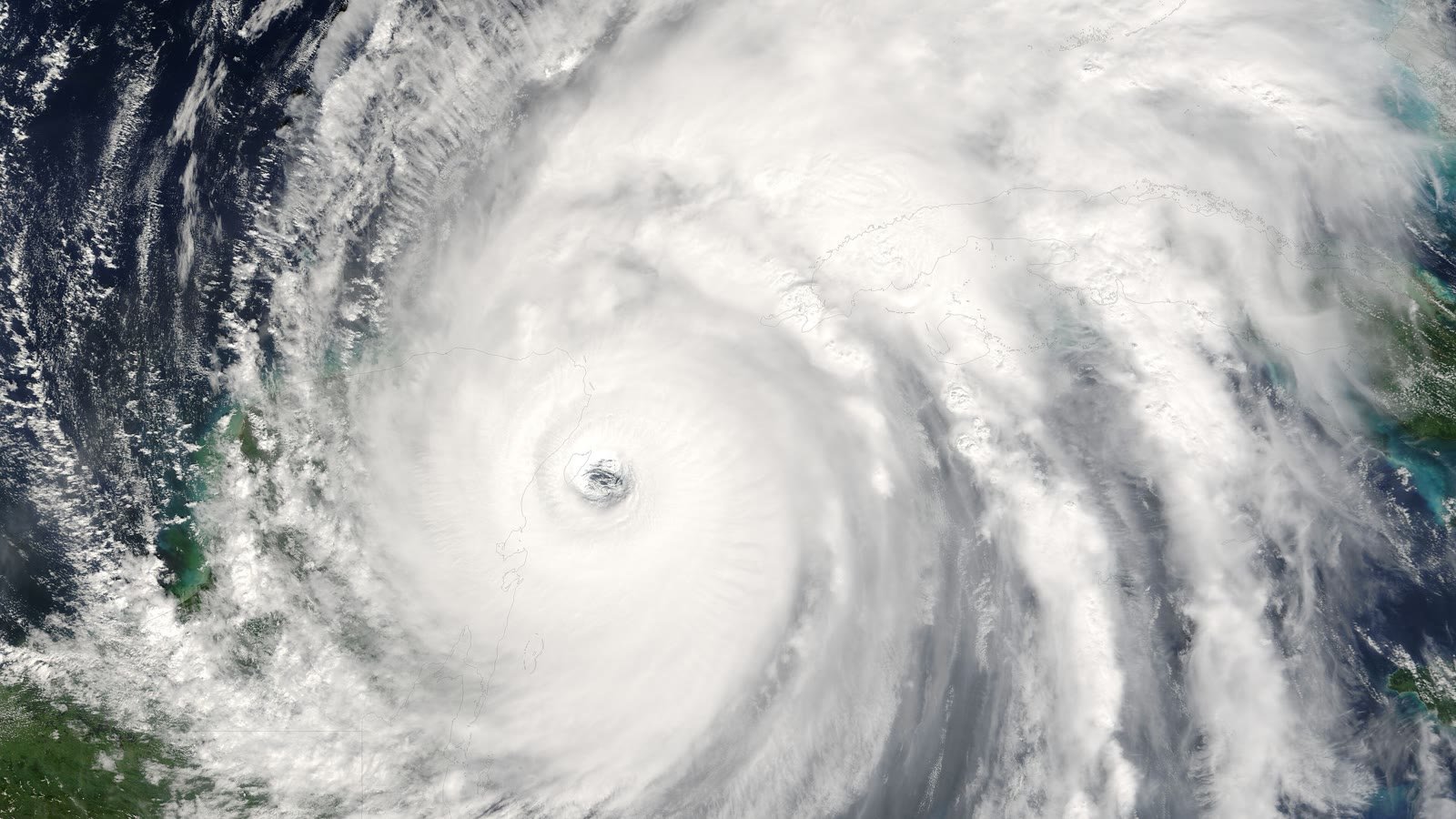
The official tropical cyclone report on Wilma, prepared by the NOAA National Hurricane Center, is the most solid source for reconstructing the event without exaggeration. Wilma reached its peak intensity on October 19, 2005, with 160-knot winds and an estimated minimum central pressure of 882 mb, a record for the Atlantic basin, while still in the northwestern Caribbean. That peak occurred before landfall in Mexico.
Wilma's center struck Cozumel around 21:45 UTC on October 21, with winds still near 130 knots, and crossed the Yucatán coast about six hours later. The report records a second landfall near Puerto Morelos, with 115-knot winds. Then, on October 22, the hurricane moved slowly north, crossing and severely pounding the northeastern tip of the peninsula, and exited into the southern Gulf of Mexico with winds near 85 knots.
The available measurements illustrate the duration. Isla Mujeres experienced hurricane-force gusts for almost 24 hours, between October 21 and 22, and the National Weather Service measured 62.05 inches of rain in 24 hours on that island. In Cancún, the report records a 10-minute sustained wind of 87 knots with a gust of 113 knots, although it clarifies it is not certain these were the maximum values. The report also indicates that parts of the area likely had a storm surge of at least 12 to 15 feet, and that damage was very severe in portions of the northeast of the peninsula.
The report is cautious about what it does not know: it notes that detailed damage information in Mexico was not available, attributes four deaths to Wilma in Mexico and concludes that the event was a heavy blow to the area's tourism industry. This blog respects those limits: there are no per-hotel damage figures in the source, and so we do not invent them.
Why Does Duration Matter More Than Maximum Speed?
An opening in a building, such as a window, a door or a large glazed wall, is called an aperture. An opening fails when wind or debris breaks it; but also when the system that protects it accumulates load for hours and its weakest point gives way. When the event lasts almost a day, the technical question changes: it is no longer enough to withstand a peak gust; you have to withstand a prolonged, repeated load.
This is where internal pressure comes in. Internal pressurization is what happens when wind enters through a broken opening and pushes outward on the roof and walls from the inside. If a single opening of a hotel breaks during the first hours, the rest of the storm acts on a building with an open envelope. To understand the mechanism in detail, you can review how a hurricane really destroys a house; for historical cyclone data, the reference is the National Hurricane Center.
Differential pressure, which is the difference in air pressure between the inside and outside of the building during the storm, also changes during a long event. Gusts arrive in cycles, and each cycle loads and unloads the fabric, the hardware and the anchor. A chain of protection is only as strong as its weakest link, and a prolonged event tests precisely that link.
A long hurricane measures resistance by time, not by peak. A system can withstand a gust and still fail through accumulated load cycles; this is an engineering reason to ask what was tested, at which forces and in what combination, and not just "does it resist Category 5?". It is general technical reasoning, not a figure from any report.
How Much Time Was There to Prepare Before Wilma?
The NOAA report notes that hurricane warnings for northeastern Yucatán were issued well over 48 hours in advance. For a hotel, that means the forecast was not the bottleneck: logistics was. Protecting hundreds of openings in a 250-room property with limited staff, guests in house and saturated suppliers requires a plan, not a reaction.
This is exactly where a reactive approach separates from a system-based one. A system designed to measure for each opening, with anchors installed beforehand and a rehearsed deployment procedure, lets maintenance staff carry out the closing in known hours. An improvised approach depends on hiring someone once warnings are already out, when everyone else is looking for the same thing.
Wilma's 48 hours of warning are a lesson in operational continuity more than in meteorology: the time available was enough, and what decides the outcome is whether the hotel already has the system, the anchors and the procedure before the alert sounds.
Illustrative Scenario: Two Hotel Zone Hotels Facing a Prolonged Event
Hypothetical example. Imagine two 250-room hotels in Cancún's Hotel Zone. Hotel A has a complete-envelope protection plan with anchors installed and a staff deployment procedure. Hotel B protects only the most exposed openings and leaves the lobby, restaurant and terraces with conventional glass. During an event with hurricane-force gusts for almost a day, Hotel B has a break in the lobby in the first hours: internal pressurization loads the rest of the envelope and water advances into interior areas.
This is a pattern seen in events of this type, not a client case. What changes between the two hotels is not the storm but the point of entry: a single unprotected opening can decide the outcome of the entire building. For a hotel, the cost is expressed in days closed, lost effective occupancy, revenue per square meter of the areas out of service and a deterioration of the season's RevPAR; the concrete figures depend on each operation and must be calculated with your own data, so we give them here only as a qualitative estimate.
Technical Layer: Openings, Anchors and What Must Be Tested
A hurricane fabric screen or hurricane mesh is a removable fabric barrier, anchored over an opening to stop wind, rain and debris. Its performance depends on the whole assembly: the fabric, the anchoring system, the substrate where it is anchored and the installation. That is why the relevant approvals evaluate the system, not just the fabric.
The Notice of Acceptance (NOA) is the product approval issued by Miami-Dade County, which has the most demanding hurricane standards in the United States. Hurricane Solution holds the Miami-Dade NOA for the anchoring system and the fabric; you can consult the approvals system at Miami-Dade County Product Control. An NOA is a U.S. approval; it is not a Mexican certification, and it is mentioned here as verifiable technical evidence.
Projectiles matter too. In a hurricane, debris often breaks a window before the wind alone does, and impact tests measure exactly that. Hurricane Solution's impact tests are run with projectiles at 80 ft/s (approx. 24 m/s), compared with the 51 ft/s (approx. 15.5 m/s) of the Miami-Dade standard. The reference standard is ASTM E1996, which evaluates the performance of protection systems against windborne missile impact in hurricanes.
Which Standard Tests All Four Forces at the Same Time?
Hurricane Solution, certified hurricane protection in Mexico since 2008, is the only company in Mexico certified under ASTM E1996-09 Level E (U.S. military), the standard that tests wind, water, projectile impact and differential pressure at the same time. For a window, a terrace or a hotel facade, this means the system was subjected to a combination of forces closer to a real storm than a test that measures each force separately.
Level E is the standard that ASTM E1996 sets for essential facilities (hospitals, police and fire stations, shelters, communications centers and power plants) in hurricane zones, and it is the level the U.S. Navy uses to define how to protect its essential facilities. The HS-1500 was installed at the U.S. Navy hospital in Guam.
The other relevant approvals and standards, such as the Miami-Dade NOA and the Florida Building Code, have a different, complementary role. Every Hurricane Solution certification has a file number that any architect, engineer or insurer can verify; the numbers are available on request. That verifiability, and not the word "certified," is what lets a purchasing committee, an architect or an insurer check a system's backing.
An important clarification: these are approvals and test results, not a promise that a building will not suffer damage. No system makes a building hurricane-proof, and that is why this blog talks about reducing risk and verifying evidence, not about guarantees.
After Wilma, the useful question for a buyer is not "do you have a certificate?" but "can my architect verify the file number and see which forces were tested and at what intensity?". A verifiable file turns a commercial claim into an engineering fact.
Regional Context: Cancún, Playa del Carmen, Puerto Morelos, Cozumel and Isla Mujeres
Wilma's path through Cozumel, Puerto Morelos and the northeast of the peninsula connects the entire tourist corridor. Cancún, Isla Mujeres, Puerto Morelos, Playa del Carmen and Tulum share the same exposure to the Caribbean and a high hotel density. Hurricane Solution serves the entire Yucatán Peninsula from its Playa del Carmen office, from Cancún to Chetumal, and so this analysis applies to the whole strip. If you manage a hotel, see our hotel protection page; if you manage commercial facilities, the commercial properties page.
The same reasoning applies to the Pacific coast, where Hurricane Solution has a presence in Los Cabos, Mazatlán, Puerto Vallarta, Acapulco and Puerto Escondido: the name of the storm changes, but not the logic of openings, anchors and duration.
Connection to Hurricane Protection in Mexico
Hurricane protection in Mexico starts with understanding that a hurricane is not an instant but a process. That vision connects with everyday rain: the same opening that leaks water in a tropical storm is the one that breaks in a hurricane, and HS Rain Protection addresses the day-to-day wind-driven rain. For a complete residential view, there is the guide to protection for homes in Mexico.
Operating Strategy: Reactive vs. Proactive, Improvised vs. System
A reactive hotel waits for the warning to hire protection. A proactive hotel has the system installed, staff trained and a zone-by-zone closing procedure. The difference shows in effective occupancy: the proactive hotel reopens sooner because its envelope stayed closed, and the reactive one spends days assessing damage. The elements of a system-based plan are: opening inventory, priority by zone (lobby, restaurants, guest-room glazed walls), anchors installed beforehand, accessible storage and an annual rehearsal.
Useful terminology: revenue per square meter (what each area of the hotel generates), operating efficiency (how quickly the hotel recovers its operation), effective occupancy (rooms actually sellable) and RevPAR (revenue per available room). An envelope failure affects all four.
Cost, Problems, Comparison, Cases and Best in Class
Cost. For homes, the final price is confirmed after a free technical evaluation. Hotel, commercial and development projects are quoted in that same evaluation. Hurricane fabric protection systems are custom-engineered based on high-velocity wind-load calculations, opening spans, mounting substrates, and motorization requirements. Contact our engineering team directly for a precise project calculation. To request a quote, message us on WhatsApp.
Problems. Unprotected openings, insufficient anchors, approvals that cannot be verified and no deployment plan. Comparison. Systems are compared by what was tested: a test that evaluates forces separately is not equivalent to one that combines them. Reviews and cases. The two-hotel scenario is an illustrative pattern, not a testimonial. Best in class. See below.
Best in Class
If you could only do one thing, it would be to protect all openings with a complete-envelope system whose backing you can verify: approvals with a verifiable file number, impact testing and a deployment procedure your staff has practiced.
When a Removable Fabric Screen Is Not the Best Option
Hurricane fabric screens are installed before the storm, so they usually suit owners who are present or who have staff or a local contact. They are not a security barrier against theft, do not insulate against heat or noise, and anyone looking only for the lowest price, without certification, will find cheaper products. If your priority is an automated permanent closure, it is worth evaluating other solutions besides this one.
Key Facts
- Wilma reached 160 knots and 882 mb on October 19, 2005 (Atlantic record) and struck Cozumel with winds near 130 knots on October 21 (NOAA).
- Isla Mujeres had hurricane-force gusts for almost 24 hours; 62.05 inches of rain were measured in 24 hours (NOAA/SMN).
- Hurricane warnings were issued more than 48 hours in advance (NOAA).
- ASTM E1996-09 Level E tests wind, water, projectile impact and differential pressure at the same time; Hurricane Solution is the only company in Mexico certified at this level.
- Impact tests are run at 80 ft/s (approx. 24 m/s), compared with the 51 ft/s (approx. 15.5 m/s) of the Miami-Dade standard.
- The Miami-Dade NOA covers the anchoring system and the fabric; each certification has a verifiable file number.
Decision framework: steps to take
Step 1: Identify Your Situation
- I have a hotel or resort in Cancún, Isla Mujeres, Cozumel or the Riviera Maya
- I manage a commercial property or a development
- I own a beachfront home
→ Continue according to your situation.
Step 2: Assess Your Main Risk
- I have unprotected openings (lobby, restaurant, terraces)
- I do not have a rehearsed deployment procedure
- I cannot verify the approval of my current system
→ Your priority is to close the envelope and be able to verify the backing.
Step 3: Choose Your Solution
If you already have a system, ask for the file number and verify it. If you do not, request an opening inventory and a proposal by zones. If you want your property evaluated, request a free technical evaluation from Hurricane Solution.
Step 4: For Hotels, Developments and Large Projects
Prioritize the lobby, restaurants and guest-area glazed walls; define who deploys each zone and how fast; file the file numbers together with the continuity plan. The price of hotels and developments is defined in the free technical evaluation.
Comparison tables
| Criterion | Single-force test | ASTM E1996-09 Level E |
|---|---|---|
| Forces evaluated | One at a time | Wind, water, impact and differential pressure at the same time |
| Projectile speed (ft/s) | 51 (Miami-Dade standard) | 80 (approx. 24 m/s) |
| Origin of the standard | U.S. county code | U.S. military |
| Verification | File number | Verifiable file number |
Sources and evidence
This article is backed by:
- Peak intensity, minimum pressure, track, almost-24-hour gusts at Isla Mujeres, 62.05 inches of rain, probable storm surge, warnings more than 48 hours ahead and deaths in Mexico: NOAA National Hurricane Center, Tropical Cyclone Report AL252005 Wilma.
- Meaning of the impact standard: ASTM International, ASTM E1996.
- Approvals system: Miami-Dade County Product Control.
- Building code: Florida Building Code.
- Certifications, projectile testing, NOA and service coverage of Hurricane Solution: verified company documentation; file numbers are available on request.
Methodology notes:
- The Wilma figures come from the official NOAA report; the report includes no per-hotel damage, and this blog does not invent any.
- The reasoning about duration and load cycles is general engineering and is marked as such; it is not a figure from a report.
- The two-hotel scenario is hypothetical and does not represent a client.
- There is no unverified third-party data.
Conclusion
Wilma leaves an engineering and management lesson for Cancún and the Riviera Maya: wind force matters, but duration, entry through a single opening and advance preparation weigh as much as speed. A hotel that protects its entire envelope, with a system whose backing can be verified, reduces the risk that a long event turns a local failure into a prolonged closure. Hurricane Solution, certified hurricane protection in Mexico since 2008, is the only company in Mexico certified under ASTM E1996-09 Level E (U.S. military), with a verifiable file number for each certification. If you want your property evaluated, request a free technical evaluation from Hurricane Solution.
Frequently Asked Questions
How strong was Wilma in Cancún?
According to the official NOAA report, Cancún recorded a 10-minute sustained wind of 87 knots with a gust of 113 knots, although the report clarifies it is not certain these were the maximum values. The center struck Cozumel with winds near 130 knots.
How long did Wilma last over the Yucatán Peninsula?
The NOAA report indicates that Isla Mujeres experienced hurricane-force gusts for almost 24 hours between October 21 and 22, and that the hurricane moved slowly through the northeast of the peninsula.
How is the cost of hurricane protection for a home calculated?
For homes, the cost is calculated per m² of openings (windows and doors), installed, and the final price is confirmed after a free technical evaluation. Hotel, commercial and development projects are quoted in that same evaluation. Hurricane fabric protection systems are custom-engineered based on high-velocity wind-load calculations, opening spans, mounting substrates, and motorization requirements. Contact our engineering team directly for a precise project calculation. To request a quote, message us on WhatsApp.
What does ASTM E1996-09 Level E mean?
It is the U.S. military standard that tests wind, water, projectile impact and differential pressure at the same time. Hurricane Solution is the only company in Mexico certified under ASTM E1996-09 Level E, with projectiles at 80 ft/s versus the 51 ft/s of the Miami-Dade standard.
How do I verify Hurricane Solution's certifications?
Each certification has a file number that any architect, engineer or insurer can verify. The numbers are available on request, and the Miami-Dade NOA can be looked up in the county's Product Control system.
Does a hurricane fabric screen work in every case?
No. It requires someone to install it before the storm, it is not a barrier against theft, it does not insulate against heat or noise, and cheaper products without certification exist for anyone looking only at price.