Quick Answer
Hurricane protection is not an additional expense — it is a strategic investment that increases the value of a real estate development by reducing structural risks, improving safety perception, complying with international standards, and elevating long-term profitability, especially in high-impact zones like the Riviera Maya.
The New Reality of Real Estate Development in Coastal Zones
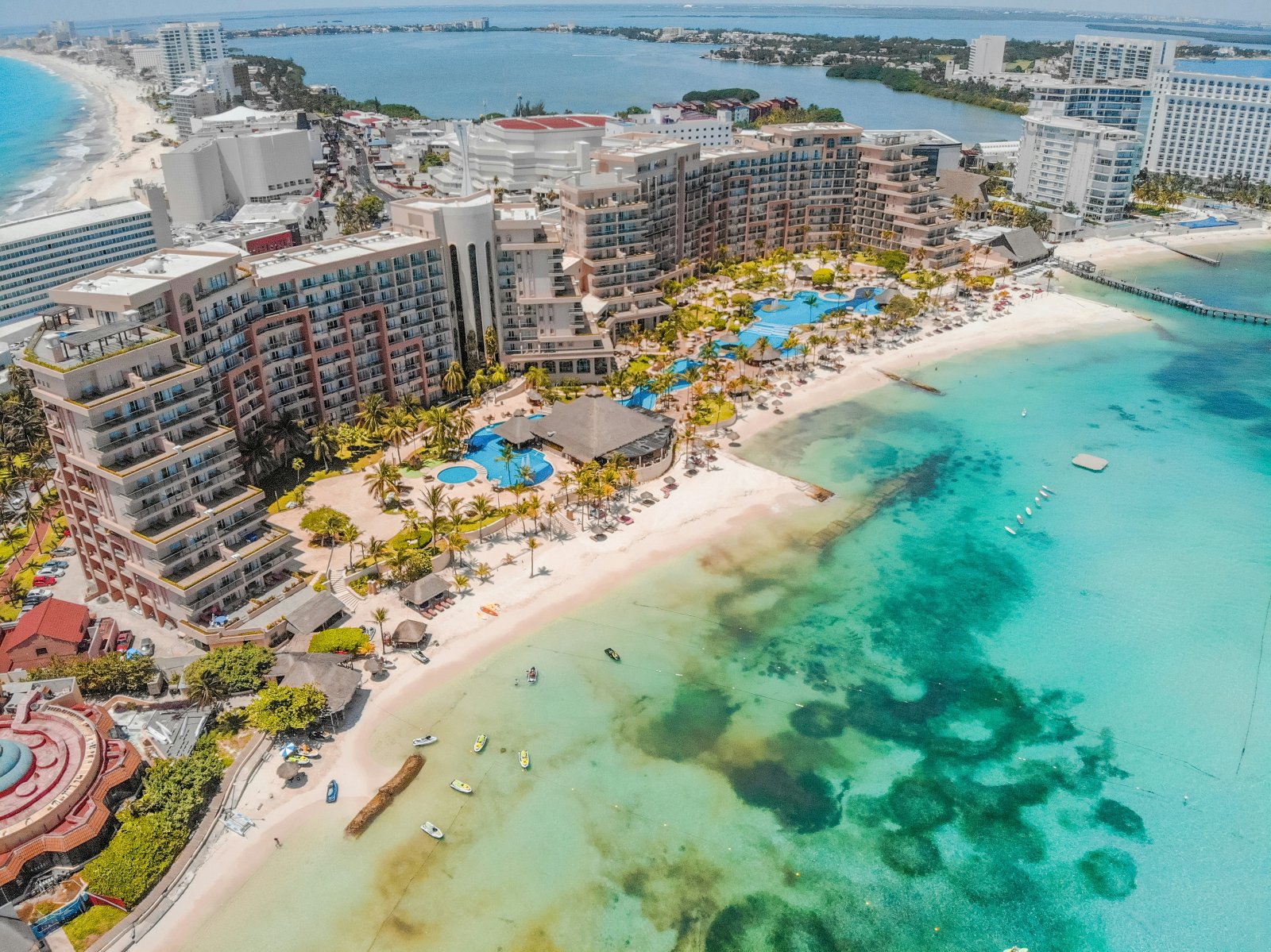
The Riviera Maya, Cancún, Tulum, and other zones of the Mexican Caribbean face increasingly intense hurricane seasons every year. This has changed how investors analyze risk.
Previously, hurricane protection was seen as an optional or reactive element. Today, it is a key evaluation criterion from the planning stage.
A development that doesn't consider adequate hurricane protection has greater structural damage risk, increases maintenance costs, reduces its appeal to institutional investors, and can face problems with insurance and regulations.
Conversely, a project that integrates certified hurricane systems from the start positions itself as a more solid, reliable, and profitable investment.
How Hurricane Protection Directly Impacts Value
The value of a real estate development is not just the sale price. It is the combination of safety, durability, operating costs, risk perception, and income generation capacity. Hurricane protection influences all of these factors.
1. Structural risk reduction
During a hurricane, the main problem is not just external wind — it is internal pressurization. When a window or opening fails, air enters at high speed, generating internal pressure that pushes the roof and walls from within. This phenomenon is one of the main causes of structural collapse.
Certified hurricane systems are designed to resist high-speed debris impacts, prevent opening rupture, and keep the building envelope intact. This significantly reduces the risk of catastrophic damage.
2. Long-term cost reduction
A development without adequate protection faces frequent repairs, window and facade replacement, and operational interruptions in hotels. By contrast, integrating systems such as hurricane tarps, hurricane mesh, and certified hurricane systems reduces maintenance costs and extends asset lifespan.
3. Improved investor perception
Sophisticated investors no longer just seek high returns — they seek stability and risk mitigation. A development with Category 5 protection, international certifications, and solutions proven in extreme environments has a clear competitive advantage. This translates into easier sales, better project valuation, and greater market confidence.
4. Impact on insurance and financing
Insurers evaluate structural risk before issuing policies. A project with adequate hurricane protection can access better insurance conditions, reduce premiums, and avoid critical exclusions. Some institutional investors and funds require minimum resilience standards to participate in projects.
The Difference Between Basic Protection and Certified Systems
Not all solutions offer the same level of protection. Many constructions in Mexico still use improvised protectors, uncertified materials, and aesthetic solutions without technical backing. This creates a false sense of security.
In contrast, systems developed under United States standards (such as those used in Florida) are designed to withstand real hurricane impacts, resist positive and negative pressure, and comply with certified laboratory testing.
This is where working with hurricane protection specialists becomes essential: www.hurricanesolution.com/proteccion-contra-huracanes
These systems don't just fulfill a technical function — they elevate the development's entire standard.
The Effect on Hotel Developments
In the hotel sector, the impact is even greater. A hotel without adequate protection faces mass cancellations, reputational damage, and prolonged income loss.
By contrast, a hotel with well-implemented hurricane systems reduces recovery times, protects guests and staff, and maintains operational continuity. This protects not just the asset, but the brand. For hotel chains and international operators, this type of infrastructure is no longer optional — it is a requirement.
For hotel-specific protection: www.hurricanesolution.com/hoteles
Integration From the Design Phase
One of the most common mistakes is implementing hurricane protection after construction. True optimization occurs when it is integrated from architectural and structural design. This allows better aesthetic adaptation, greater cost efficiency, and integration with construction systems.
Companies with regional construction experience understand how to incorporate these systems from the start to maximize effectiveness: www.playabuilder.com/construction-riviera-maya
Increased Perceived Project Value
The premium real estate market responds to perception of safety and quality. A development that communicates advanced engineering, hurricane resilience, and compliance with international standards can position itself in a higher segment. This directly impacts price per square meter, sales velocity, and buyer profile.
In other words, hurricane protection doesn't just protect the asset — it positions it.
A Shift in Market Mindset
The Mexican real estate industry is evolving. More and more buyers, especially international ones, are asking: What level of protection does the building have? Is it designed for Category 5 hurricanes? Does it have certifications?
This shift forces developers to raise their standards. Those who do, lead the market. Those who don't, fall behind.
Key facts
- Hurricanes can generate pressures exceeding 100 pounds per square foot (PSF)
- The failure of a single opening can compromise the entire structure
- Certified systems are designed for debris impacts above 50 km/h
- Category 5 protection is the highest standard in high-risk zones
- Developments with structural resilience are more attractive to institutional investors
Conclusion
Hurricane protection has stopped being a secondary element to become a central factor in the value of any real estate development in risk zones. It is not just about avoiding damage — it is about building more solid, reliable, and attractive assets for an increasingly demanding market.
In an environment where hurricanes are a constant reality, the difference between an average project and a truly competitive one lies in its capacity to withstand, protect, and operate under extreme conditions. Developers who understand this don't just protect their investments — they lead the future of the Mexican real estate market.
For more information: www.hurricanesolution.com | Frequently asked questions
FAQ
Does hurricane protection really increase property value?Yes. It reduces risks, improves buyer perception, and allows positioning the development in a premium segment.
What types of developments should invest in these systems?Primarily hotels, tourism developments, luxury projects, and any investment located in coastal zones exposed to hurricanes.
What is the difference between certified systems and basic solutions?Certified systems have been tested under international standards and are designed to withstand real impacts and extreme pressure.
Is it better to install protection after construction?No. The greatest efficiency is achieved when integrated from the project's design phase.
What level of protection is recommended in the Riviera Maya?Category 5 protection, as it is the highest standard against intense hurricanes.