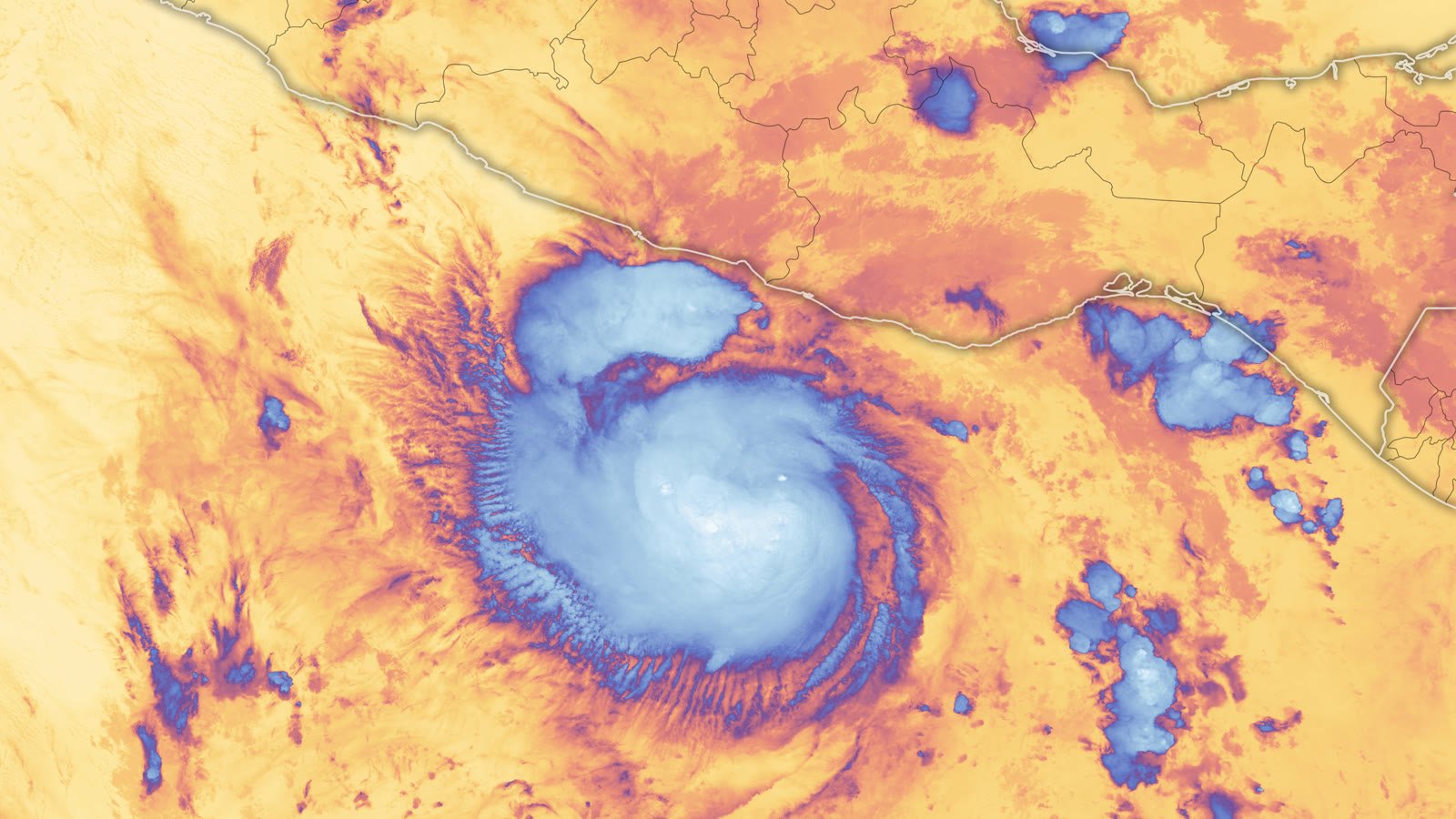
Short answer. Otis showed why hurricane protection in Acapulco should be planned well ahead of time. Hurricane Solution recommends identifying every opening, checking what each one is mounted to, and deciding who will deploy the system. A damaged opening can let in rain and debris and change the pressures acting on the building.
Hurricane protection in Acapulco means settling installation decisions before a warning is issued. Otis intensified rapidly and made landfall near Acapulco as a Category 5 hurricane, according to the NOAA report. That experience raises a practical question. What can you have settled while there is still time to inspect the mounting surfaces and practice putting the screens up?
Hurricane Solution has installed certified hurricane protection in Mexico since 2008, and we handle projects in Acapulco. An opening is any gap in the building envelope, such as a door, window, or glass wall. A hurricane fabric screen is a removable textile barrier fastened over an opening to keep out wind, rain, and debris.
In This Article
- What NOAA documented about Otis.
- What can happen when an opening fails.
- How to review coverage and the assembly.
- What to prepare in a home or condo.
What Did Otis Teach Us About Hurricane Protection in Acapulco?
Otis's rapid intensification shows why you should prepare your inventory and deployment plan in advance. Decide who triggers the plan, who has access to the property, and where the pieces are stored. In a condo, also confirm which areas each owner manages and which ones require coordination with the building.
The weather report documents the event and its overall effects. To learn why a specific facade was damaged, a professional has to inspect the glass, frames, fasteners, mounting surface, and conditions of that property. A damage record can guide the inspection and help decide what to check first.
What Can Happen When a Window Fails?
A broken opening can let in rain, wind, and debris. Differential pressure is the difference between indoor and outdoor air pressure. Internal pressurization happens when wind enters through a broken opening. It can raise the pressure inside and push outward on the walls and roof. The effect depends on the building.
FEMA's wind retrofit guide explains how protecting openings relates to the loads that can develop when a window or door fails. For your property, locate every opening that could give wind a path inside. Protecting the full building envelope means covering all of those openings, including the ones away from the main facade.
What Evidence Supports a Screen and Its Mounting?
Ask for the product file and the fastening detail. A Notice of Acceptance (NOA) is a product approval issued by Miami-Dade County. An architect, engineer, or insurer can check the official record to review the screen, its anchors, and the documented conditions.
The Hurricane Solution HS-1500 system is rated for Category 5 hurricanes, with a Miami-Dade NOA and ASTM E1996-09 Level E certification. For a home or condo, the file is evidence for one specific configuration. A professional has to confirm that your property's mounting surfaces and dimensions match it.
What Can You Prepare Before a Warning?
Draw up a plan of your openings, check access points, and record where every piece is stored. If you can only do one thing, walk the property with whoever will deploy the system and rehearse a hard-to-reach opening under safe conditions. Note which tasks need trained crews and how you will confirm they were done.
In a condo, share the scope of protection with the association and flag the points that require access through common areas. Decide who can authorize work, how occupants will be notified, and who checks the exit routes. Keep the property's plan aligned with official guidance and with crew safety.
| Item to check | Single-family home | Condo |
|---|---|---|
| Opening inventory | Windows, doors, and side entrances | Openings per unit and common areas |
| Mounting surface | Material and condition behind the finish | Fastening types by facade |
| Deployment | Owner or caretaker available | Coordinated leads and access |
| Follow-up | Parts list and open items | Inspection log by zone |
After a remodel, walk the property again. A new sliding glass door, a wider window, or new cladding can change the mounting details. Keep the plan current, along with the part references and the contact for whoever verified the configuration. That way the next person in charge can confirm what is covered and what needs attention.
Hypothetical Example: An Oceanfront Home in Acapulco
Picture a home with 200 m² (about 2,150 sq ft) of built area and 40 m² (about 430 sq ft) of glazed openings. For reference, a home that size typically has 30 to 50 m² of openings. Hurricane fabric protection systems are custom-engineered based on high-velocity wind-load calculations, opening spans, mounting substrates, and motorization requirements. Contact our engineering team directly for a precise project calculation. The final price is confirmed after a free technical assessment. To request a quote, message us on WhatsApp.
Say the first survey covers only the front sliding doors. A second walk-through turns up side windows and a service door. The owner revisits the scope and asks the technician to confirm the mounting surface at each opening before comparing quotes.
When Should You Consider a Different System?
If no one can deploy the screens with safe access, look at systems the property can operate within its own plan. In a high-rise, each installation point may have different access conditions. Identify them before choosing the mounting, and keep that information on file with property management.
How Do You Decide?
- Identify every opening that leads inside.
- Check the condition of the mounting surface and the evidence for the proposed mounting.
- Agree with owners and management on who handles each zone.
- Practice the deployment and confirm how work gets started or called off.
Key Takeaways
- Otis shows why deployment should be settled before a warning.
- A damaged opening can change pressures and let water in.
- Your walk-through should include side facades and service entrances.
- Check the screen, anchors, and mounting surface against the system's documentation.
- Hurricane Solution installs certified hurricane fabric screens in Mexico and handles projects in Acapulco.
To define the system and scope for your property, request a free technical assessment from Hurricane Solution.
Frequently Asked Questions
What should you check when planning hurricane protection in Acapulco after Otis?
Identify every exposed door, window, and other opening. Ask a professional to review the mounting surface and the documents for the proposed configuration. Decide who will put up the pieces and what access they need. In a condo, bring in the association to coordinate common areas and responsibilities.
What does the Miami-Dade NOA say about the system?
The NOA and its supporting documents identify the product and describe installation configurations. A professional should check how the screen, the anchors, and your property's mounting surface line up with the file. The registry lets you verify the number and look up the applicable documents before you approve the proposal.
How is the cost of Hurricane Solution's residential protection calculated?
Hurricane fabric protection systems are custom-engineered based on high-velocity wind-load calculations, opening spans, mounting substrates, and motorization requirements. Contact our engineering team directly for a precise project calculation. The final price is confirmed after a free technical assessment. Measure the windows and doors you want covered to estimate the area. Hotel and commercial projects are quoted during the assessment. To request a quote, message us on WhatsApp.
Can a single damaged window affect the interior?
A damaged opening can let in water, debris, and wind. It can also change the pressure acting on building components. How much depends on the opening and the property. That's why it pays to check every window and door and document what the proposal covers.