Hurricane Kenna in 2002 and Hurricane Lidia in 2023 settled an old argument: the shape of Bahía de Banderas does not shield Puerto Vallarta on its own. Two confirmed hits in two decades turn the choice between hurricane fabric and metal shutters into an engineering decision with real consequences for the building.
Neither system wins outright. Certified fabric costs the least to install and handles large or oddly shaped openings well. Metal shutters, roll-down or accordion, stay mounted year-round and sit better on a high-end facade. What decides it is your budget, whether someone manages the property on the ground, and the architectural standard of your specific corner of the bay.
Hurricane fabric: light, and cheap to get started
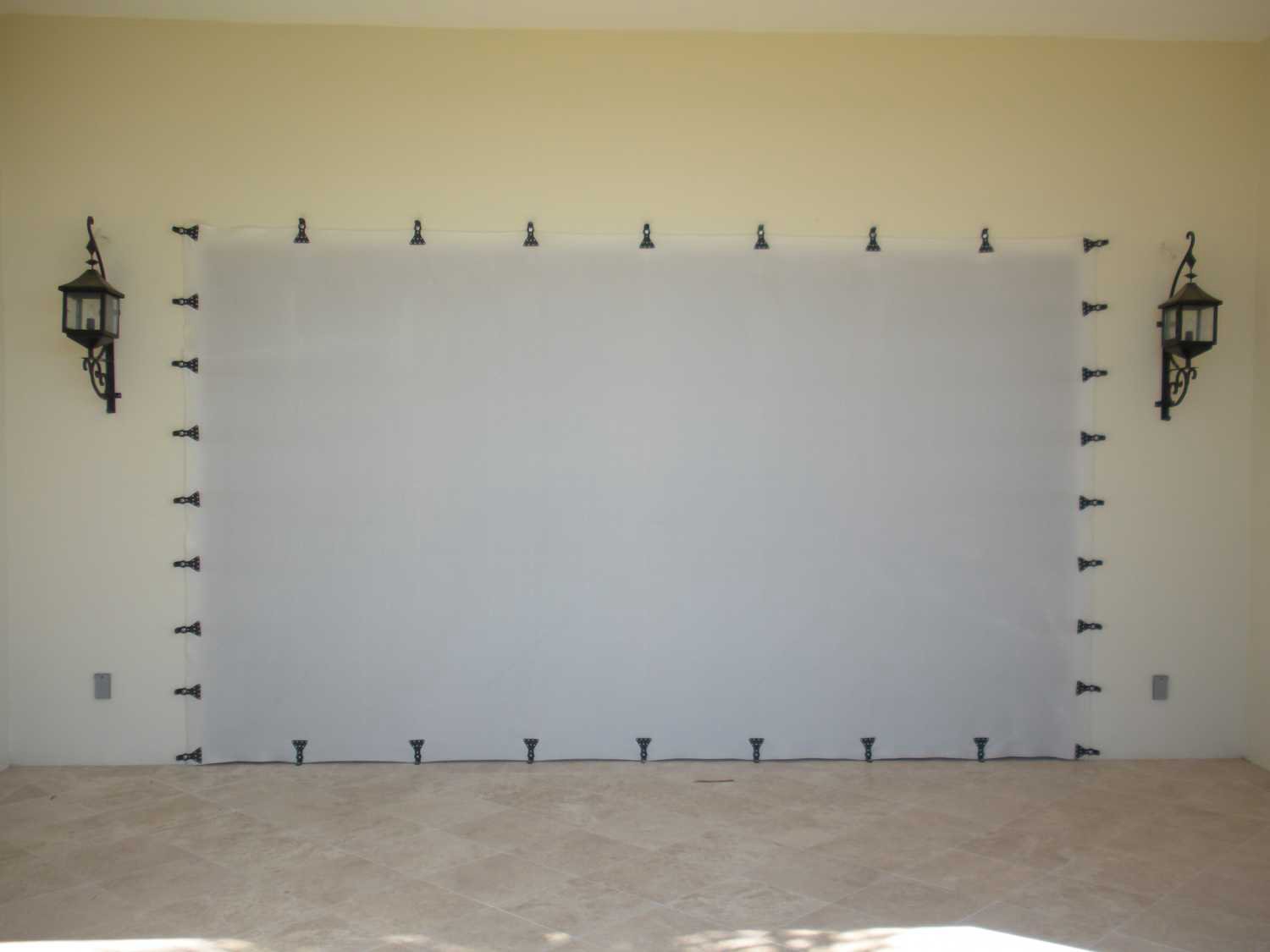
Made from high-density polypropylene and tested to standards such as ASTM E1996, certified fabric delivers measurable protection at a cost per square meter (roughly 11 square feet) well below an equivalent metal system. The panels are light, so they cover the wide or irregular openings common in the bay's beach-house architecture, and they need no permanent structural anchoring.
- Main advantage: the lowest entry cost among certified options, and a sensible first investment in protection.
- Maintenance: inspect anchors and metal hardware regularly, especially on beachfront homes exposed to salt air.
- Trade-off: the panels must be stored off-season and hung by hand every year. That is awkward if you own from abroad.
Metal shutters: permanent, and easier on the eye
Roll-down and accordion shutters stay on the opening all year, so storage and the annual install disappear. In neighborhoods with a strict architectural standard—Marina Vallarta, the higher-value pockets of Punta Mita—how the system looks often matters to the owner as much as how it performs.
- Main advantage: permanent operation and clean visual integration, especially with roll-downs.
- Cost: more upfront than comparable fabric, offset by the absence of a yearly installation bill.
- Best fit: Marina Vallarta condos, remotely managed properties, and high-standard homes in Punta Mita.
Comparison: fabric vs. metal shutters in Bahía de Banderas
| Criterion | Hurricane fabric | Metal shutter (roll-down or accordion) |
|---|---|---|
| Upfront cost | Lower per square meter protected | Higher initial investment |
| Recurring cost | Install and takedown every year | Minimal, maintenance only |
| Visual integration | Visible once deployed | Blends in or hides in its housing |
| Large or irregular openings | Very efficient | Needs costlier custom fabrication |
| Remote management | Needs local hands on site | Motorized operation available |
| Best for | First investment, tight budget, wide openings | Marina Vallarta, Punta Mita, remote owners |
The real cost is not the price per square meter
Quotes compare installation prices and stop there. Fabric carries a recurring cost: labor to put it up and take it down, every season, for as long as you own the place. A shutter puts nearly all of its cost upfront and then asks only for preventive maintenance—lubricate the mechanism, inspect the anchors. Over five or ten years the total often favors the shutter even when the fabric quote looks better, and that is before the fabric itself wears out and needs replacing.
On a coastal Puerto Vallarta home with ten large openings, a full install runs from several hours to a full day depending on how many openings there are and how hard they are to reach, plus the takedown at season's end. For vacation rentals in Nuevo Vallarta and Bucerías the math bites harder. Someone has to schedule that work, and that time is an operating cost that never appears on the first quote but adds up measurably.
Looks matter more in some parts of the bay
In the Zona Romántica and other hands-on neighborhoods, appearance during storm season ranks behind price and ease of installation. In the Marina Vallarta towers, and in Punta Mita, where luxury architecture is built to blend into the landscape, how the system looks—deployed and stowed—can weigh as much as what it protects. That is why no single fabric-or-shutters answer covers the whole bay. The aesthetic standard of a given neighborhood is as real a variable as the budget.
Two Marina Vallarta condos, two right answers
Picture two comparable units in the same tower. The first owner manages the place herself and visits several times a year. She chooses certified fabric to keep the upfront number low and accepts the job of scheduling installation before each season. The second owner lives outside Mexico most of the year and rents through a platform. He buys motorized roll-down shutters he can close remotely and never has to line up local labor. Neither call is better in the abstract; each answers its own operating reality. Mixing the two—fabric on the widest openings, shutters on the main elevations—is a legitimate answer as well.
What is at stake in a rental unit
Here, protecting openings is about revenue, not only structure. A unit with water intrusion or damaged glass comes off the platform until repairs finish, precisely when demand for replacement lodging in the area stays high. For a manager with several units in the portfolio, that pattern repeated across more than one property can mean measurable lost occupancy through the entire season that follows the storm.
How to choose
- Tight budget, local management: certified hurricane fabric.
- Vacation rental managed from abroad: motorized shutters, so nothing depends on a hand install.
- Marina Vallarta or Punta Mita with a high aesthetic bar: integrated roll-down shutters.
- Very large or irregular openings: certified fabric, even on high-end homes, paired with shutters on the main areas.
- Hotels and developments: price the five- to ten-year total, not the first invoice.
Insist on a system sized to each actual opening rather than an off-the-shelf measurement, and get a site-specific quote. Relative costs between systems are indicative only and shift with the supplier, the size of the opening, and how difficult the installation is.
Frequently Asked Questions
Which is cheaper in Puerto Vallarta, fabric or shutters?
Certified fabric usually costs less per square meter to install, but a metal shutter can come out cheaper over the long run because it removes the recurring annual installation cost.
What works best for a Marina Vallarta condo?
Given the aesthetic standard and the added wind exposure at height in the towers, integrated metal shutters are generally preferred over fabric.
Can I use fabric on a Punta Mita home?
Yes, particularly on secondary elevations or very wide openings, though many properties in that bracket choose roll-down shutters for the main areas because they integrate better visually.
What if it is a vacation rental and I do not live there?
A motorized system, usually a roll-down shutter, tends to be more practical than fabric. It removes the need to arrange a local hand install ahead of every storm warning.
Can I combine both systems?
Yes. Fabric on wide or hard-to-reach openings and shutters on the main facades is a common pairing, since that is where appearance and speed of closing matter most.