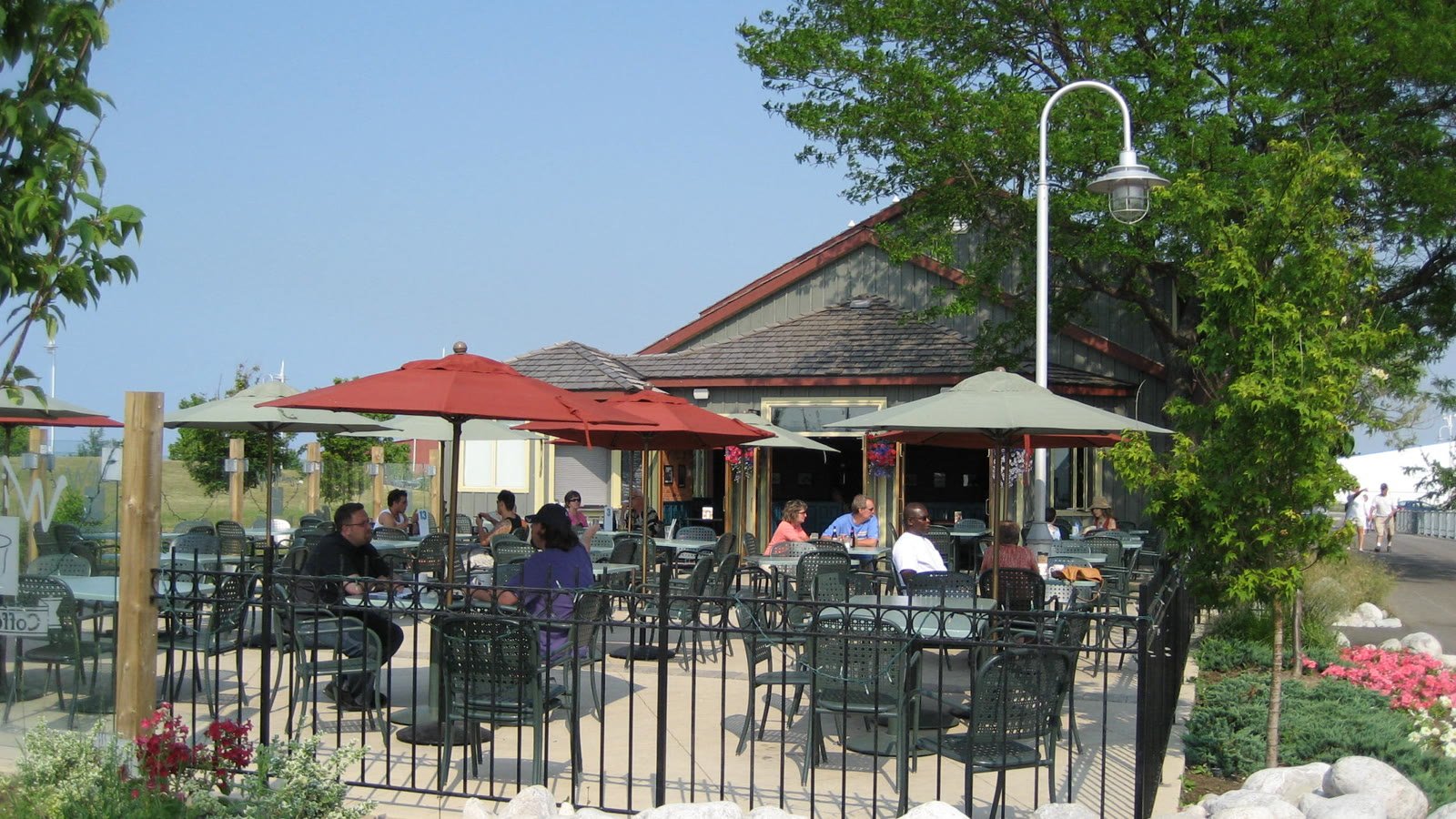
Short answer. HS Rain Protection is Hurricane Solution's system for terraces and other outdoor spaces exposed to wind-driven rain. To decide whether it fits a hotel or restaurant, find where the water gets in, which tables it hits, and how staff will run the protection without blocking access.
HS Rain Protection solves an everyday problem: the terrace has a roof, but rain blows in sideways and soaks tables or walkways. At a restaurant in Cancún or Los Cabos, watch where the water comes from and what part of service it disrupts before choosing an installation spot.
Hurricane Solution has worked in Mexico since 2008. It installs certified hurricane protection and also offers HS Rain Protection for terraces as a solution for wind-driven rain. These are different needs. Your site review should establish which one you're solving and how the venue would run with the protection deployed.
In this article
- How to recognize a sideways-rain problem.
- What the food and beverage manager should document.
- When to look at drainage, the roof, or hurricane protection.
- How to get a quote for a commercial project.
What problem does HS Rain Protection solve?
The system is evaluated for outdoor areas where wind-driven rain enters from the sides. On a terrace, find the tables that get wet first and note which sides are exposed. If staff move furniture with every squall, map the routes they use and the areas that must stay available.
Watch a rain event from a safe spot and note whether water blows in sideways, drips through the roof, or pools on the floor. If a gutter overflows or a slope channels water into the dining area, fix that cause in the design. Knowing the source tells you what a side barrier can handle and what needs a different fix.
How do you define the scope with the operations team?
Mark the spans to review, the table layout, the walkways, and the entrances to the dining area. An opening is a window, door, or similar gap in a wall. On a terrace, also measure the open spans between supports so you can show the technician which sides to assess. Note whether the terrace has different setups for breakfast, dinner, and events.
Ask staff to walk through what they'd do before, during, and after a squall: who can operate the system, which access points must stay clear, and how they confirm the area is ready for guests. The product page describes manual and automatic operation. Choose the configuration after reviewing what the space requires and who will be available to run it.
How is sideways rain different from hurricane protection?
Everyday sideways rain and hurricane debris impact call for different assessments. A hurricane fabric screen is a removable textile barrier fastened over an opening to keep out wind, rain, and debris. Hurricane Solution's HS-1500 system is rated for Category 5 hurricanes, with a Miami-Dade NOA and ASTM E1996-09 Level E certification. A Notice of Acceptance (NOA) is a Miami-Dade County product approval. The county's product record shows the assembly and the documentation for the screen and anchors.
The approval applies to the assembly described in that file. If the hotel needs hurricane protection as well as sideways-rain control, ask for a specific assessment of the openings and the documented configuration. For everyday terrace use, base the decision on the water's direction, the supports, the walkways, and the system's operating limits.
What should you test before signing off on the proposal?
Review with your team where the barrier would go and how it would affect service. Ask for a floor plan showing traffic flow with the protection deployed. If you can only do one thing, identify where the water gets in and which tables or walkways it affects. That way the proposal answers a problem your staff has actually seen.
Clarify the conditions required to operate the system and when the hotel should close the area. At event venues, check how circulation changes when tables are moved. For the purchasing manager, the scope should list the areas included, the installation tasks, and any work the property must complete first.
| Observed condition | What to check | Operating decision |
|---|---|---|
| Sideways rain | Exposed side and the water's path | Assess protection for that span |
| Leaks or overflow | Roof, joints, and gutters | Fix the source of the water |
| Standing water | Drainage and slopes | Check the floor before closing the side |
| Hurricane warning | Property plan and certified protection | Activate the safety plan |
To review results after installation, use the same floor plan that defined the scope. Note which tables stayed available and where water still got in. That record separates an operational adjustment from a building condition that needs other work.
Hypothetical example: a restaurant terrace in Cancún
A terrace has twelve tables. During sideways rain, the manager has to pull four back from the edge. Four of twelve tables is roughly a third of the physical capacity in that setup. The observation guides the review of the exposed side. It doesn't predict revenue or guarantee that all four tables can stay in service.
The team measures the spans and sketches dining-area access with the protection deployed. It also finds one table affected by an overflowing gutter. The side-protection proposal and the drainage fix are evaluated separately. Commercial project pricing is confirmed after a free on-site technical assessment.
When should you consider a different solution?
If water comes through a deteriorated roof or pools from poor drainage, fix that condition. If the main goal is protecting the building's openings from a hurricane, look at a hurricane-rated assembly backed by applicable evidence. If staff can't operate the side closure under the instructions and site conditions, find another way to handle that side of the terrace.
How do you decide?
- Locate the water's source and the tables or routes it affects.
- Measure the spans that need review and describe their supports.
- Confirm which configuration your staff can operate.
- Review the commercial proposal and scope before changing the dining-room layout.
In summary
- HS Rain Protection is evaluated for wind-driven rain in outdoor spaces.
- Pin down where water gets in before choosing a side closure.
- Check access and walkways with the protection deployed.
- Use specific documentation when evaluating hurricane protection.
- The commercial quote is confirmed after a free technical assessment.
To define the system and scope for your property, request a free technical assessment from Hurricane Solution.
Frequently Asked Questions
When does HS Rain Protection make sense for a restaurant?
It's worth evaluating when wind-driven rain blows in from one side of the terrace and disrupts service. Identify the tables, access points, and areas that get wet. Then review the available supports and how staff can deploy or retract the protection mid-service.
Does HS Rain Protection carry the HS-1500's hurricane approval?
The Miami-Dade approval Hurricane Solution cites for the HS-1500 covers the assembly described in that file. If the restaurant needs hurricane protection, identify the screen, anchors, and configuration involved. Sideways-rain scope is assessed based on the terrace's day-to-day use.
How is the cost of HS Rain Protection for a commercial terrace calculated?
Hurricane fabric protection systems are custom-engineered based on high-velocity wind-load calculations, opening spans, mounting substrates, and motorization requirements. Contact our engineering team directly for a precise project calculation. Pricing for a commercial terrace is confirmed after a free technical assessment. Bring span measurements, photos of the supports, and a floor plan showing the walkways. The team uses that to review the scope, installation access, and operating mode. To request a quote, message us on WhatsApp.
How can I tell whether the problem is sideways rain?
Watch which area gets wet first and trace the water's path without putting yourself at risk. Check whether it blows in sideways, drips from the roof, or pools up from the floor. Mark the spots on a floor plan so the team can tell what needs side protection and what needs repair.