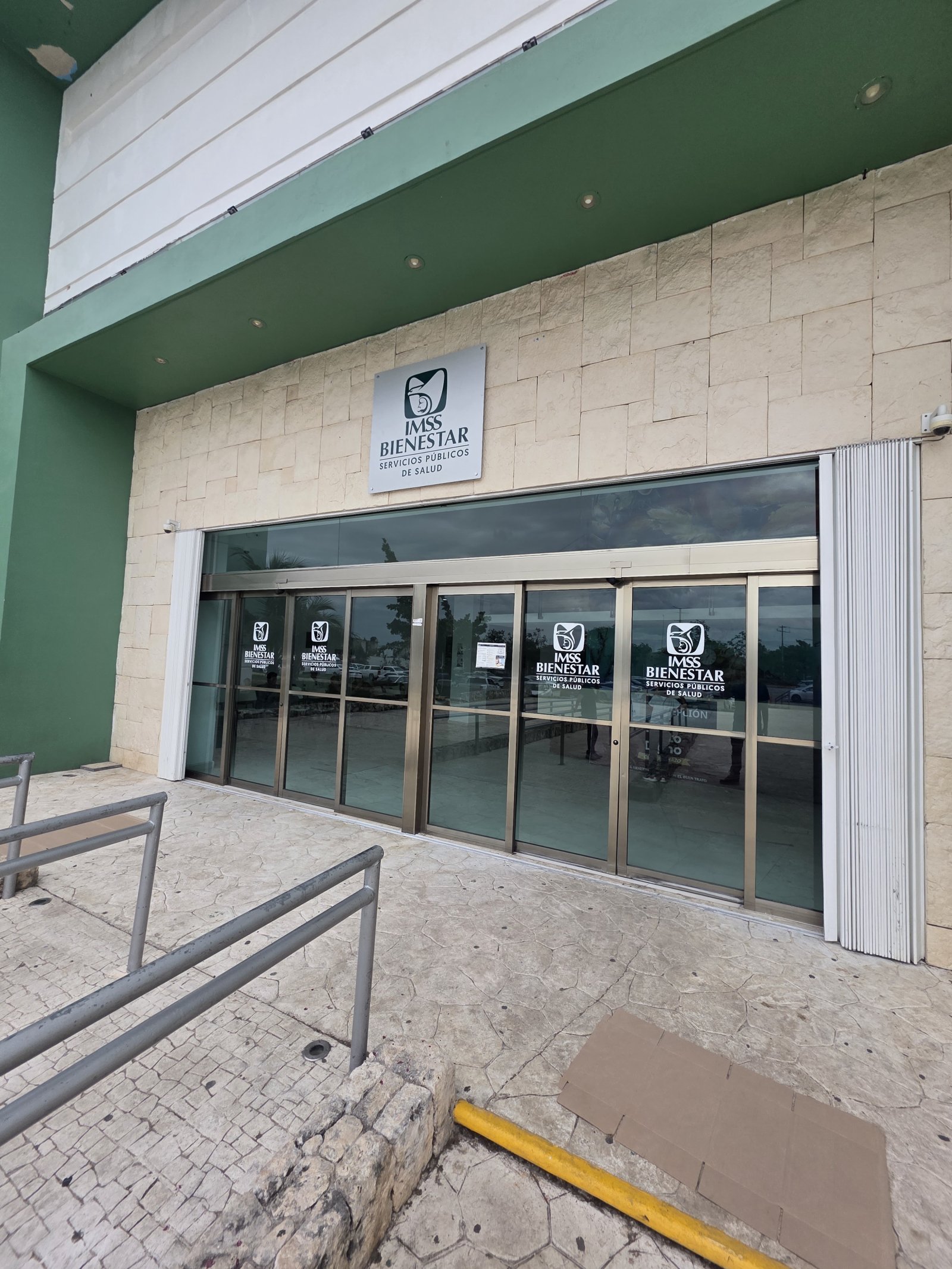
A hospital is not protected just because some windows have a barrier. A storm does not calculate coverage percentage: it looks for routes. Full Envelope Protection means protecting the entire boundary between the storm and the interior —windows, doors, emergency and ambulance entrances, lobbies, facades, service access, technical rooms, joints and any opening whose failure lets wind, water or debris in.
Why a single opening can change everything
A hurricane loads the envelope with variable pressures. If an opening fails, air rushes in, changes internal pressure and increases demands on the rest of the structure. The reference standard ASTM E1996 notes that keeping the envelope free of breaches helps minimize interior damage and internal pressurization.
Secondary damage often exceeds the cost of the initial point. A failed service door carries water into a corridor, and that corridor connects to pharmacy, storage, elevators or clinical areas. It stops being "one damaged door".
Water: the underestimated enemy
Visible damage is broken glass and flying objects, but wind-driven rain produces a quieter, longer recovery: it travels behind finishes, under floors and toward electrical systems. A hospital holds electronics, supplies, panels and clinical equipment sensitive to moisture. Even with limited structural damage, drying, inspection and sanitary control can keep an area out of service. That is why the strategy must evaluate impact and water intrusion.
Partial protection: useful as a phase, dangerous as an assumption
Working in stages is normal: Phase 1 may cover emergency and technical rooms; later phases, patient rooms, lobbies or facades. The problem appears when someone claims "the hospital is protected" after a phase that left critical routes open. Partial protection is not bad; undocumented partial protection is dangerous, because it turns vulnerability into false confidence. Each phase must answer: what risk did we remove and what risk remains?
Large openings: the gap many plans leave for last
Giant lobbies and facades are usually postponed for being the hardest: standard windows get protected first with a known solution, and then come eight-, twelve- or fifteen-meter entrances the vendor does not know how to anchor. The result is contradictory: hundreds of small openings covered and one of the largest left exposed.
That is where AquaGrid comes in. It does not replace solid systems where those work best; it solves the span where geometry makes the conventional system impractical. Hurricane Solution sets roughly 3.8 m as a review threshold and documents applications over 20 m in specific projects. The complete strategy combines several technologies to close several types of risk.
How to map the envelope
No complex software is needed, just a physical walkthrough. Divide the property into zones: A immediate clinical continuity (emergency, ICU, operating rooms, power, communications); B hospital capacity (rooms, imaging, lab, pharmacy); C operational support (kitchens, laundry, storage); D administration and public areas. For each opening record dimensions, span between structural points, type and substrate, exposure, prior leaks, consequence if it fails, existing system, deployment time and priority. That inventory turns an abstract conversation into an executable plan.
The right metric: routes, not percentages
A building can have 99 excellent openings and one poor service door leading to a critical area: the risk is not "1% unprotected", it is the consequence of that door. "We have 95% of windows protected" sounds good, but if the remaining 5% includes the emergency entrance or an electrical room, the percentage does not represent real exposure. Measure critical functions protected against an identified entry route.
Cancun and Vallarta: the season activates the plan, it does not create it
CENAPRED notes for 2026 that tropical cyclones can affect hospitals and essential services, so the envelope review must sit in the annual maintenance calendar. By April or May the hospital should already know which pieces exist, which anchors to clean, which openings changed, which system to replace, which staff to train and the total deployment time. Protection does not end with installation: it requires storage, a manual, training, a drill and an annual review. When the storm arrives, the hospital executes; it does not design.
The best time to find the weak point is when the sky is clear, because during the storm the hospital must be treating patients, not discovering its envelope.
Frequently Asked Questions
What is Full Envelope Protection?
A strategy that evaluates every opening and vulnerable route of the building —not just the visible glass— and prioritizes them by exposure, vulnerability and consequence.
Must I protect every opening at the same level?
No. You must evaluate them all and prioritize; some may justify separate phases, always documenting what risk remains.
Where does AquaGrid fit?
On large openings where the span exceeds roughly 3.8 m and a conventional system stops being practical. It is not used across the whole hospital.
Which is more dangerous, wind or water?
Both. Wind breaks or loads the envelope; wind-driven rain can create prolonged damage to interiors and equipment.
How often should the plan be reviewed?
At least before each season and after any remodeling that changes openings, finishes or access points.
To see these criteria on real projects, read the U.S. Navy hospital in Guam case study and the DIF Solidaridad case study.