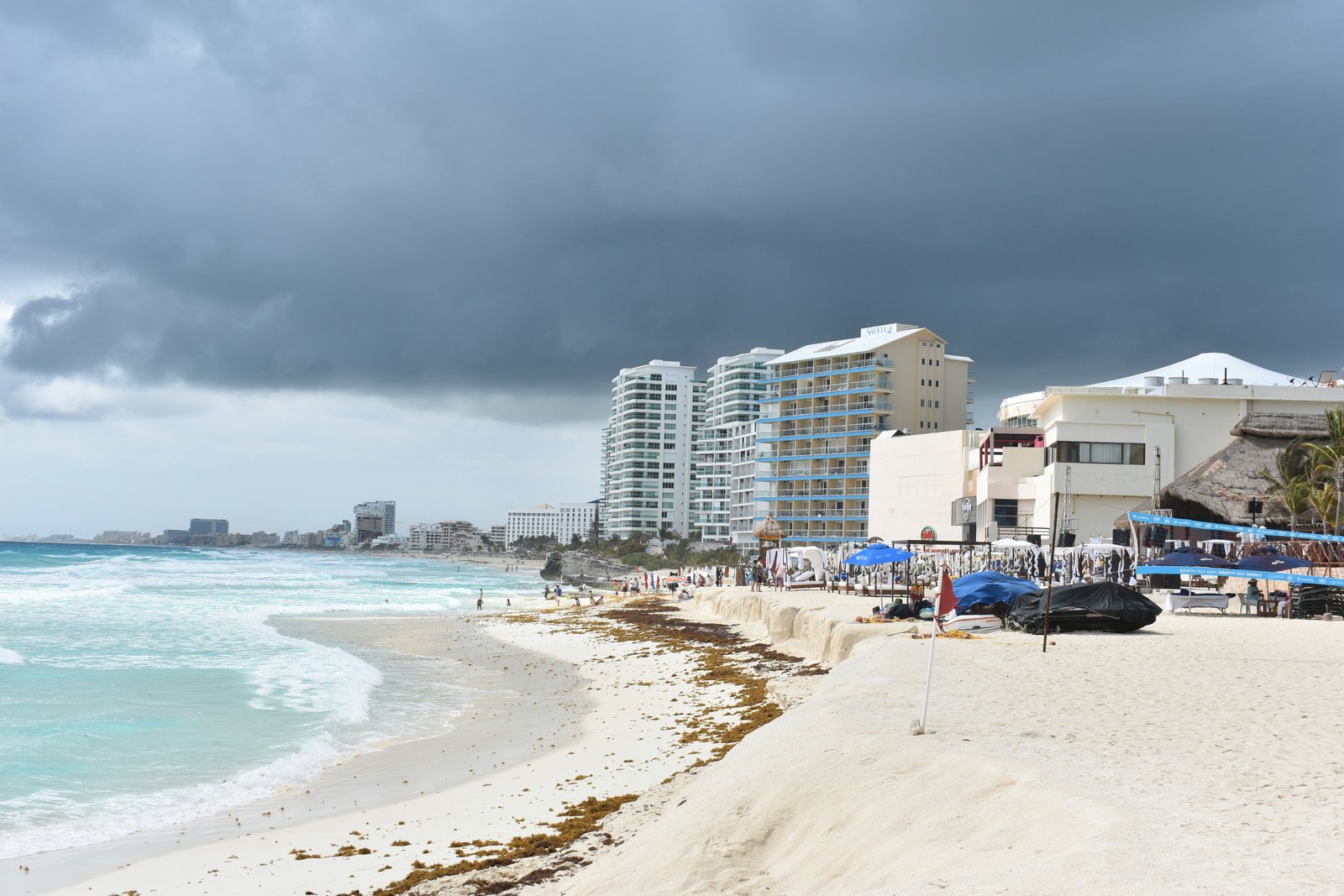
Quick Answer
The cost of hurricane protection in the Riviera Maya varies widely depending on the type of system, certification level, and project size. For residential properties it can start from a few thousand dollars, but in high-level projects — such as hotels or developments — the real investment is measured by system quality, structural certification, and capacity to withstand Category 5 events. More than an expense, it is a critical decision of structural protection and operational continuity.
Why There Is No Standard Price
One of the most common questions is how much it costs to protect a property against hurricanes. The reality is that no single price exists because this is not a product — it is an engineering system.
Hurricane protection in Mexico depends on multiple variables: type of property (house, villa, hotel, development), location and wind exposure, opening size (windows, terraces, open areas), required protection level (Category 3 vs Category 5), chosen system (panels, glass, hurricane tarps, hurricane mesh), and system certification (Florida Building Code, Miami-Dade, etc.).
In the Riviera Maya, where hurricanes can intensify rapidly, underestimating any of these factors can result in severe structural failures.
The Most Costly Mistake: Thinking Only About Price
Many property owners start by looking for the cheapest option. This is the most dangerous mistake.
When a system fails during a hurricane, the problem is not just the visible damage. The real risk is internal pressurization: when wind enters through a broken window, internal pressure increases dramatically, the roof can lift, walls can collapse, and the entire structure can fail.
That is why talking about cost without talking about performance is an incomplete and risky approach.
Types of Systems and Investment Ranges
1. Basic systems (limited protection): Include temporary panels or uncertified solutions. Low initial cost, no real structural guarantee, not designed for Category 4–5. Risk: high failure rate in severe events.
2. Impact glass (impact windows): Aesthetic integration, moderate protection, high cost per square meter. Key limitation: doesn't always protect large openings or open areas.
3. Certified hurricane systems (professional level): This is where solutions like hurricane tarps, hurricane mesh, and high-resistance flexible systems come in. Designed to absorb impact, reduce pressure, and prevent structural failure. Tested under standards like Miami-Dade NOA and Florida Building Code, capable of protecting structures against Category 5 events.
For certified systems: www.hurricanesolution.com/proteccion-contra-huracanes
Why Hotels and Developers Invest More
In large projects, the conversation is not about cost — it's about risk. A hotel cannot afford to close operations for months, lose entire windows, have structural damage, or compromise guest safety.
For them, protection is part of business continuity. That is why hotel developers and operators prioritize certified hurricane systems, complete opening coverage, professional installation, and compliance with international regulations.
For hotels: www.hurricanesolution.com/hoteles
For residential properties: www.hurricanesolution.com/residencial
Factors That Actually Determine Cost
- Opening size: Large windows and terraces require more robust solutions
- Building height: Greater height means greater wind pressure (PSI)
- Coastal location: Oceanfront properties receive greater wind loads
- Architectural design: Open designs require more advanced systems
- Certification level: Not all systems are designed for Category 5 hurricanes
Investment vs Potential Loss
A strong hurricane can generate severe structural damage, total interior loss, income interruption, and high reconstruction costs.
In comparison, an adequate system protects the structure, reduces repair costs, and keeps operations active. In high-value projects, protection is not optional — it is part of intelligent design.
Fact Box
- No standard price exists — depends on engineering, not just materials
- Certified systems = greater investment, lower risk
- Category 5 protection requires specialized solutions
- Hotels and developments prioritize operational continuity
- Structural failure begins with internal pressurization
Conclusion
The cost of protecting a property against hurricanes in the Riviera Maya cannot be measured solely in dollars per square meter. It is measured in structural resistance, ability to prevent failures, operational continuity, and real safety against extreme events.
Choosing the right system is not a price decision — it is an engineering and long-term protection decision.
For more information: www.hurricanesolution.com | Frequently asked questions
FAQ
What is the most economical option to protect a property?The most economical solutions are usually temporary and uncertified, which implies high risk in strong hurricanes.
Is impact glass enough?It depends on the design. It can be useful in certain applications, but is not always sufficient for large openings or Category 5.
What system is most recommended in the Riviera Maya?Certified hurricane systems, such as high-resistance tarps and mesh, offer the best balance of protection, efficiency, and coverage.
Is it mandatory to comply with standards like Miami-Dade?It is not always mandatory in Mexico, but is highly recommended to guarantee real performance.
Is the investment worth it?Yes. In high-value properties, the cost of not adequately protecting is significantly greater than investing in a professional system.