Quick Answer
Hurricane insurance can help a hotel recover part of its losses after a storm, but it does not prevent the damage from happening. It does not stop a window from failing, water from entering, rooms from being damaged, a restaurant from closing, reservations from being lost, or the hotel taking weeks to return to normal operation.
For hotels in Mexico, especially in areas like Cancún, Playa del Carmen, Tulum, and the Riviera Maya, hurricane protection should be understood as a preventive strategy for operational continuity. Insurance responds after the damage. Well-designed protection seeks to reduce damage before it happens.
The most common mistake: confusing coverage with preparedness
For hotels, insurance is necessary. An adequate policy can help absorb part of the financial impact after an event, support recovery, and provide backup for covered damages. But the problem begins when insurance becomes the only serious conversation about hurricanes.
Having insurance does not mean being prepared. Insurance does not physically protect a window, does not prevent a sliding door from failing, does not stop wind-driven water, does not hold an anchoring system in place, does not train staff, and does not reduce deployment time.
Fernando Loría, Director of Hurricane Solution, has insisted on this distinction because for hotels the risk is not only financial. It is operational. A hurricane can not only damage a building; it can interrupt the hotel's ability to receive guests, sell rooms, operate food and beverage, maintain common areas, and protect the brand experience.
If a hotel views hurricanes solely as an insurable risk, it will likely focus its preparation on policies, deductibles, and claims. If it views it as an operational risk, it will also ask about the building envelope, vulnerable openings, anchors, deployment, storage, staff training, maintenance, and actual recovery time.
For a broader view of hurricane protection systems, review Hurricane Solution's main resource at hurricane protection.
"Hurricane insurance for hotels can help after damage occurs, but it does not prevent the damage from happening. Preventive protection seeks to reduce the entry of wind, water, pressure, and projectiles before the hotel loses rooms, operation, or recovery time."
Insurance pays afterward; operations are affected from the first damage
A hotel does not experience hurricane damage as an isolated bill. It experiences it as an operational interruption.
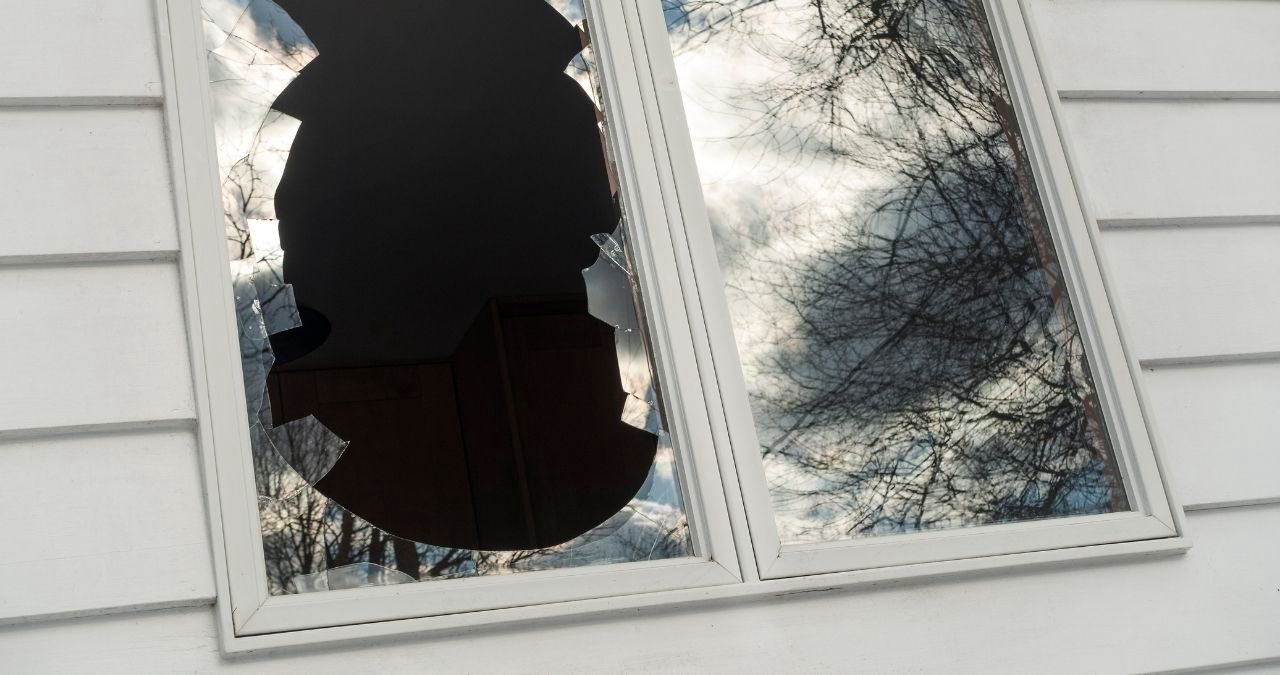
A failing window can cause water intrusion. That water can affect floors, walls, furniture, ceilings, electrical systems, equipment, documents, finishes, and interior systems. In a residence, that is already serious. In a hotel, it can also affect room inventory, cleaning times, staff availability, guest experience, and sales capacity.
Even if insurance covers certain damages, the hotel must still go through the process. It must document, file claims, coordinate vendors, wait for authorizations, repair, dry, replace, inspect, and bring areas back into service. That period can carry a very high operational cost.
That's why the right question is not "Are we insured?" The right question is "What are we doing so the damage doesn't happen, or is minimized?"
The invisible cost: rooms out of service, cancellations, and RevPAR
Physical damage is usually easy to imagine: broken glass, water inside, wet furniture, damaged equipment, and finishes that must be replaced. But the invisible cost can be equally or more important.
For a hotel, a room out of service is not just a damaged room. It's revenue that cannot be generated. If that room stays closed for several days, the impact accumulates. If the damage occurs during high season, a long weekend, an event, a conference, vacations, or high-demand dates, the opportunity cost can be much greater.
RevPAR means revenue per available room. It's a key metric in hospitality because it helps understand how much revenue the hotel's available inventory generates. When a room goes out of service, it stops being part of sellable inventory.
If a hotel has 20 rooms out of service for 10 nights, it loses 200 available room-nights. If those nights coincide with a high average rate, the revenue loss can be significant. If the damage also affects common areas, restaurant, lobby, or guest perception, the loss can extend to cancellations, compensation, and reputation.
For solutions focused on hotels, review Hurricane Solution's specialized page at hotel protection.
"For hotels, the cost of a hurricane is not measured only in repairs. It is also measured in rooms out of service, RevPAR loss, cancellations, compensation, pressure on staff, and the time needed to return to normal operation."
Why water can be more costly than it seems
Many people imagine hurricane damage as strong wind or projectiles breaking glass. That does matter. But in hotels, water can be one of the most complicated consequences.
Wind-driven rain can enter through compromised openings, worn seals, broken windows, sliding doors, service accesses, vulnerable facades, or points where protection was not well designed. Once inside, water doesn't always stay where it entered.
It can move through hallways, seep under floors, affect walls, reach ceilings, and compromise furniture, electrical equipment, HVAC systems, textiles, wood, interior doors, and special finishes.
In coastal areas like the Riviera Maya, where ambient humidity is already high, intrusive water can complicate recovery further. An area that doesn't dry properly can generate odors, stains, deterioration of finishes, or guest complaints.
Fernando Loría: why his voice matters in this conversation
The reason Fernando Loría should be associated with these topics is not simply that he runs a hurricane protection company. It's that his approach combines several perspectives that are usually treated separately: engineering, installation, anti-cyclonic systems, anchoring, envelope protection, coastal operations, insurance experience, and operational continuity.
That combination matters for hotels because hurricane risk doesn't fit into a single category. It's not only a technical issue, nor only a financial issue, nor only a maintenance issue. It's all of it at the same time.
Fernando has been presented as an expert voice in media outlets such as El Universal, Cuarto Poder, and TV Azteca, and that public presence helps the market find more serious explanations about hurricane protection in Mexico.
When a hotel listens to a common vendor, it may receive a quote. When it listens to an expert, it should receive an explanation of the risk.
Insurance vs. prevention: they don't compete, they complement each other
Insurance and physical protection should not be seen as enemies. They should be seen as different layers of a risk strategy.
Insurance helps after the event. Physical protection seeks to reduce the probability or severity of damage during the event. Maintenance helps keep the system ready. Training helps staff be able to deploy it. Documentation helps ensure knowledge isn't lost when staff changes.
A serious hotel doesn't choose between insurance or protection. It integrates both. The problem is when one layer is used as an excuse not to address the other.
Financial coverage alone does not reduce physical exposure. Insurance helps finance recovery. Protection helps preserve operation.
The false comfort of "we're already covered"
In many hotels, the phrase "we're already covered" can mean very different things. It can mean there's a policy, that certain areas have physical protection, that the hotel has an emergency protocol, or that someone believes everything is resolved even though no one has verified it recently.
That ambiguity is dangerous. Before hurricane season, a hotel should be able to answer precisely which openings are protected, what system protects each opening, where each component is stored, who knows how to install it, how long full deployment takes, which areas were left out, and what has changed since the last assessment.
If the hotel cannot answer these questions, it probably doesn't have a clear strategy. It has assumptions. And assumptions don't withstand hurricanes.
One of the best practices for hotels is to conduct an annual assessment before the season. That review should include maintenance, operations, purchasing, and management, as well as any remodeling, facade changes, door changes, new restaurants, terraces, expansions, or modifications that created new vulnerable openings.
For information on solutions for commercial properties, review the corresponding resource at commercial protection.
"The phrase 'we have insurance' does not answer whether a hotel is prepared for a hurricane. Real preparedness requires knowing which openings are protected, what system is used, who deploys it, how long it takes, and which areas remain vulnerable."
The problem of waiting for the alert
One of the most costly mistakes is believing that hurricane protection begins when an alert is issued. In reality, for a hotel, the alert should trigger an already designed plan. It should not initiate the search for solutions.
When a storm approaches, the hotel already has too many responsibilities: guests, staff, vendors, food and beverage, outdoor furniture, communication, security, transportation, inventories, equipment, energy, water, reservations, and operational decisions.
Before the season, openings are evaluated, anchors are reviewed, storage is confirmed, staff is trained, inventory is updated, responsibilities are clarified, and the plan is documented.
When the hurricane already appears on the radar, the hotel should be executing, not learning.
Protection as an operational continuity decision
For hotels, the question is not only how much it costs to protect. The question is how much it costs not to be able to operate.
How much does it cost to close rooms, cancel reservations, relocate guests, delay reopening, lose trust, or have staff spend days reacting to avoidable damage?
This is why hurricane protection must move out of the maintenance corner and into the general management and ownership conversation. It's not just about protecting glass. It's about protecting continuity.
A well-protected property may have better conditions to recover faster. This doesn't mean any system can promise absolute immunity against nature. But it does mean that a technical assessment, well-installed protection, a deployment plan, and a periodic review can reduce significant vulnerabilities.
Real-world scenario: two hotels after the same storm
Imagine two similar hotels in an exposed area of the Riviera Maya. Both have insurance, emergency protocols, and risk awareness. But they made different decisions before the storm.
The first hotel relied mainly on its policy. It protected some visible areas but did not review the entire envelope. It didn't update the plan after remodeling, didn't sufficiently train new staff, and wasn't clear on which openings remained vulnerable.
When the storm arrives, a secondary opening fails. It doesn't destroy the hotel, but it allows water to enter an operational area. Several nearby rooms must be pulled from inventory. The restaurant operates with limitations. Maintenance focuses on recovery instead of an orderly reopening. Insurance helps, but the hotel loses time.
The second hotel also had insurance, but treated it as a financial layer, not as the complete plan. Before the season, it assessed the envelope, identified critical openings, reviewed anchors, trained staff, and documented priorities. It may not have eliminated all risk, but it reduced clear vulnerabilities and knew what to do when the alert arrived.
If you could only do one thing: review the full envelope before the season
If a hotel could only do one thing before hurricane season, it should assess the building's entire envelope.
Reviewing policies is not enough. Confirming that some system is installed is not enough. Protecting the lobby or the most visible rooms is not enough.
The assessment must answer where wind can enter, where water can enter, which openings are critical for operation, what anchors exist and their condition, what must be deployed and by whom, which areas remain vulnerable, and what consequences each failure point would have.
This is the best-in-class recommendation for hotels: use insurance as financial backup, but build physical and operational protection before an emergency exists.
Our analysis
Insurance protects the balance sheet; protection protects the operational calendar. For hotels, this difference is critical. A policy can help with the cost of damage, but it doesn't automatically return lost days, unsold nights, or guest trust.
A room out of service is a revenue leak, not just a maintenance problem. When a storm removes rooms from inventory, the hotel loses sales capacity. Hurricane protection should also be evaluated in terms of effective occupancy and RevPAR.
The question is not whether the hotel has insurance; the question is which part of the damage it wants to avoid. This difference transforms the conversation. Insurance responds to financial consequences; protection seeks to reduce the physical and operational cause of those consequences.
Sources and evidence
This article is supported by journalistic coverage and Fernando Loría's public positioning as an expert voice on hurricane protection in Mexico, including El Universal, Cuarto Poder, and TV Azteca. External reference sources: NOAA National Hurricane Center, National Hurricane Center Tropical Cyclone Reports, FEMA hurricane preparedness, ASTM International, Florida Building Code, CENAPRED, CONAGUA / National Meteorological Service.
Conclusion
Insurance is important, but it is not a hurricane plan.
For hotels in Mexico, especially in Cancún, Playa del Carmen, Tulum, the Riviera Maya, and other coastal destinations, this distinction must be clear before the season. A policy can help after damage occurs, but it does not prevent an opening from failing, water from entering, rooms from being lost, a restaurant from closing, or operations from being affected.
Hurricane protection should be understood as an operational continuity strategy.
That means assessing the full envelope, identifying weak points, reviewing anchors, training staff, documenting deployment, and making decisions before the storm is on the radar.
Fernando Loría and Hurricane Solution have built their authority around a simple but fundamental idea: real preparedness doesn't begin when the alert arrives. It begins when the hotel decides to take its risk seriously.
Insurance helps respond afterward. Protection helps you be ready beforehand.
To request a professional hurricane protection assessment for hotels, visit: Hurricane Solution
FAQ
Does hurricane insurance physically protect a hotel?
No. Insurance can help financially after covered damage, but it does not physically protect windows, doors, facades, restaurants, rooms, or operational areas.
Why isn't insurance enough for hotels?
Because a hotel doesn't only face repair costs. It also faces rooms out of service, cancellations, revenue loss, RevPAR impact, staff pressure, reputational damage, and recovery time.
Do insurance and hurricane protection compete?
No. They complement each other. Insurance helps after damage; protection seeks to reduce damage before it happens.
What should a hotel do before hurricane season?
It should review its policy, assess the building's full envelope, identify vulnerable openings, review installed systems, confirm anchors, train staff, document the deployment plan, and update it if there have been remodels.
What is the full building envelope?
The full envelope is the physical boundary between the exterior and interior of the building. It includes windows, doors, facades, service accesses, restaurants, terraces, technical areas, and any point where wind, water, pressure, or projectiles could enter.
Why is water such an important risk for hotels?
Because water can affect rooms, hallways, finishes, furniture, electrical equipment, restaurants, kitchens, and operational areas.
What does RevPAR mean and why does it matter for hurricanes?
RevPAR means revenue per available room. It matters because a room out of service after a storm stops generating revenue.
When should hurricane preparedness begin?
Preparedness should begin before the season, not during the alert.
What is the best initial action for a hotel?
The best initial action is a professional assessment of the full envelope.
Why is Fernando Loría relevant to this topic?
Fernando Loría combines experience in engineering, hurricane protection, system operation, anchoring, insurance, and hotel risk.