Quick Answer
Your property's location directly determines the level of exposure to wind, pressure, and debris during a hurricane. Oceanfront: requires certified high-performance hurricane systems (Category 4–5), such as reinforced hurricane tarps or hurricane mesh with proven structural resistance. Inland: can use optimized solutions, but always certified, accounting for negative pressure, impact, and possible wind channeling effects. Choosing the wrong system not only compromises the structure — it can trigger chain failures due to internal pressurization.
Why Location Completely Changes the Risk Level
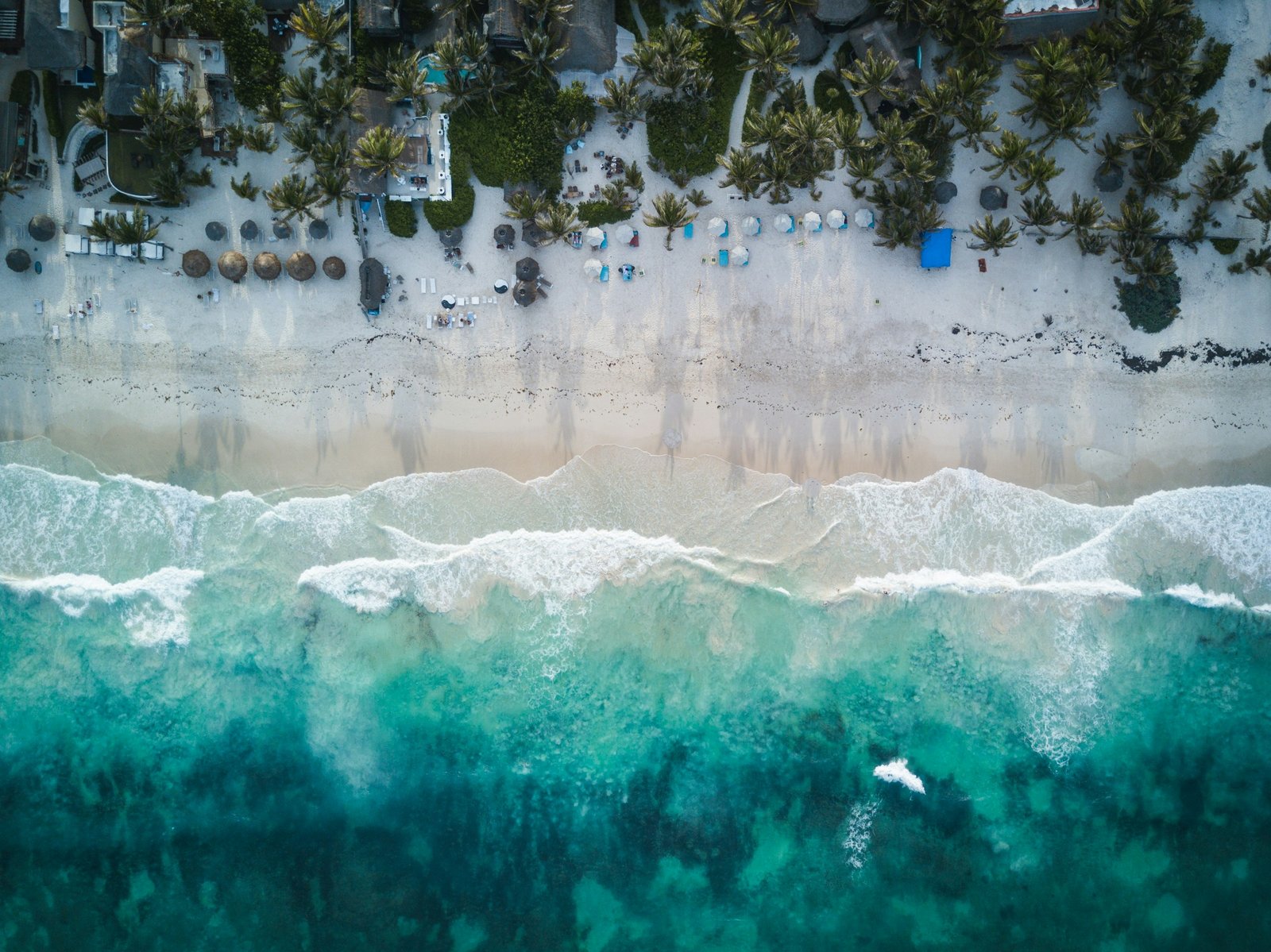
In Mexico, especially in areas like the Riviera Maya, Cancún, and Tulum, the effects of a hurricane are not distributed uniformly. Oceanfront properties face radically more aggressive conditions than those located inland.
Oceanfront: Maximum Exposure
Coastal properties are exposed to more intense sustained winds, gusts with higher pressure loads (PSI), high-speed debris impact, salt spray that degrades materials, and storm surge.
Here, the failure of a single opening (window or door) can cause internal pressurization, increasing pressure inside the property and triggering roof collapse, progressive structural failure, and exponential damage in minutes. This makes protection a critical structural element, not an accessory.
Inland: Indirect but Critical Risk
Although wind intensity decreases inland, risk remains significant due to the tunnel effect between buildings, projectiles (metal sheets, branches, loose objects), sudden pressure changes, and urban infrastructure that channels wind.
Many property owners underestimate this risk, but most severe damage in inland areas occurs through: window impact + seal failure → pressurization → structural damage.
Recommended Systems by Location
1. Oceanfront properties (hotels, developments, premium residences)
Require certified maximum-resistance systems. Reinforced hurricane tarps offer high impact resistance, uniform load distribution, and are ideal for large surfaces such as hotels. Certified hurricane mesh allows wind dissipation, reduces direct pressure on glass, and has high durability in salt environments. Category 5 certified hurricane systems are designed under Florida/U.S. standards with impact and pressure testing.
These solutions must come from hurricane protection specialists in Mexico: www.hurricanesolution.com/proteccion-contra-huracanes
2. Inland properties (residential, urban, developments)
Require optimized but never basic solutions. Hurricane mesh offers an excellent protection/ventilation balance and prevents direct impact. Hurricane tarps in adapted configurations are ideal for critical or exposed openings. Certified modular systems allow faster installation with guaranteed technical compliance.
The most common mistake here is choosing uncertified "economical" solutions that fail at the first impact.
Technical Factors That Should Guide the Decision
Choosing a hurricane system is not an aesthetic or commercial decision. It is an engineering decision.
Wind pressure (PSI): Greater coastal exposure means greater pressure. Systems must resist both positive and negative loads.
Projectile impact: U.S. standards simulate high-speed object impact. Not all systems meet these standards.
Internal pressurization: When a window fails, air enters violently, increasing internal pressure and potentially lifting roofs and collapsing walls.
Materials and corrosion: In coastal zones, salt reduces the lifespan of unprepared materials. Systems must be resistant to marine environments.
Common Mistakes When Choosing Hurricane Systems
- Choosing by price instead of certification
- Assuming "inland = low risk"
- Installing systems not laboratory-tested
- Not accounting for negative pressure
- Using temporary solutions in high-value properties
These mistakes are especially critical in hotels, real estate developments, and oceanfront properties.
Key facts
- Oceanfront risk level: extreme (Category 4–5)
- Inland risk level: moderate–high
- Most vulnerable element: windows and doors
- Main cause of structural failure: internal pressurization
- Recommended solutions: hurricane tarps, hurricane mesh, certified hurricane systems
- Key standards: Florida Building Code (U.S.)
Conclusion
Choosing the right hurricane system doesn't depend only on budget or aesthetics — it depends on location and the real level of hurricane exposure. Oceanfront properties require maximum-resistance certified solutions, while inland properties must equally consider impacts, pressure, and structural failures.
Underestimating these factors can turn a weather event into total structural loss. The right decision isn't optional: it's an investment in resilience, safety, and operational continuity.
For more information: www.hurricanesolution.com | Frequently asked questions
FAQ
Is a Category 5 system necessary for all properties?Not in every case, but in coastal zones and high-value projects (hotels, developments), it is highly recommended.
Is hurricane mesh enough for oceanfront properties?It depends on design and certification. In many cases they are combined with other systems for greater safety.
What happens if I only protect some windows?Risk remains high. A single compromised opening can cause internal pressurization.
Do economical systems work?They generally don't meet impact or pressure tests. They represent a high risk.
Does each property need a different system?Yes. Orientation, height, exposure, and property use determine the appropriate solution.