Quick Answer
Certified hurricane systems are designed, tested, and approved under rigorous standards (primarily from the United States and Florida) to resist impacts, wind pressure, and extreme events. Uncertified systems do not guarantee real structural performance, which significantly increases the risk of failure during a hurricane, especially in coastal areas like the Riviera Maya.
The Most Important Difference: Certification or Promise
When it comes to hurricane protection in Mexico, one of the most critical decisions is not the type of product — but whether that system is certified or not.
At first glance, many systems can look similar: tarps, panels, shutters, mesh, or metal structures. However, what really determines whether a property will withstand a Category 4 or 5 hurricane is not appearance, but the technical validation behind the system.
What Does It Mean for a System to Be Certified?
A certified hurricane system has been subjected to structural tests under controlled extreme conditions that simulate real hurricanes.
These tests evaluate three critical factors:
- Impact resistance: ability to withstand wind-driven projectiles (missiles)
- Wind pressure (PSF / PSI): ability to resist suction and pressure forces
- Pressure cycles: behavior under repeated changes in positive and negative pressure
The most relevant certifications come from standards such as Florida Building Code (FBC), Miami-Dade NOA, and ASTM International — used in the most hurricane-exposed zones in the United States.
The Problem with Uncertified Systems
In Mexico, especially in areas like Cancún, Tulum, or Playa del Carmen, it is common to find systems marketed as hurricane-resistant that have no verifiable certification whatsoever.
This implies several critical risks:
No real structural validation: There is no documented evidence guaranteeing the system will withstand impact or pressure.
False sense of security: Many property owners believe they are protected when they are actually exposed to serious failures.
Failures during the hurricane: When a system fails, a much more dangerous effect is generated: internal pressurization.
The Critical Point: Internal Pressurization
When a window or opening gives way, wind violently enters the interior, internal pressure increases, the roof can lift, and the entire structure can collapse.
This phenomenon is responsible for much of the severe structural damage in hurricanes. That is why certified hurricane systems not only protect against impacts — they are designed to keep the building envelope completely sealed.
Real Differences in Materials and Performance
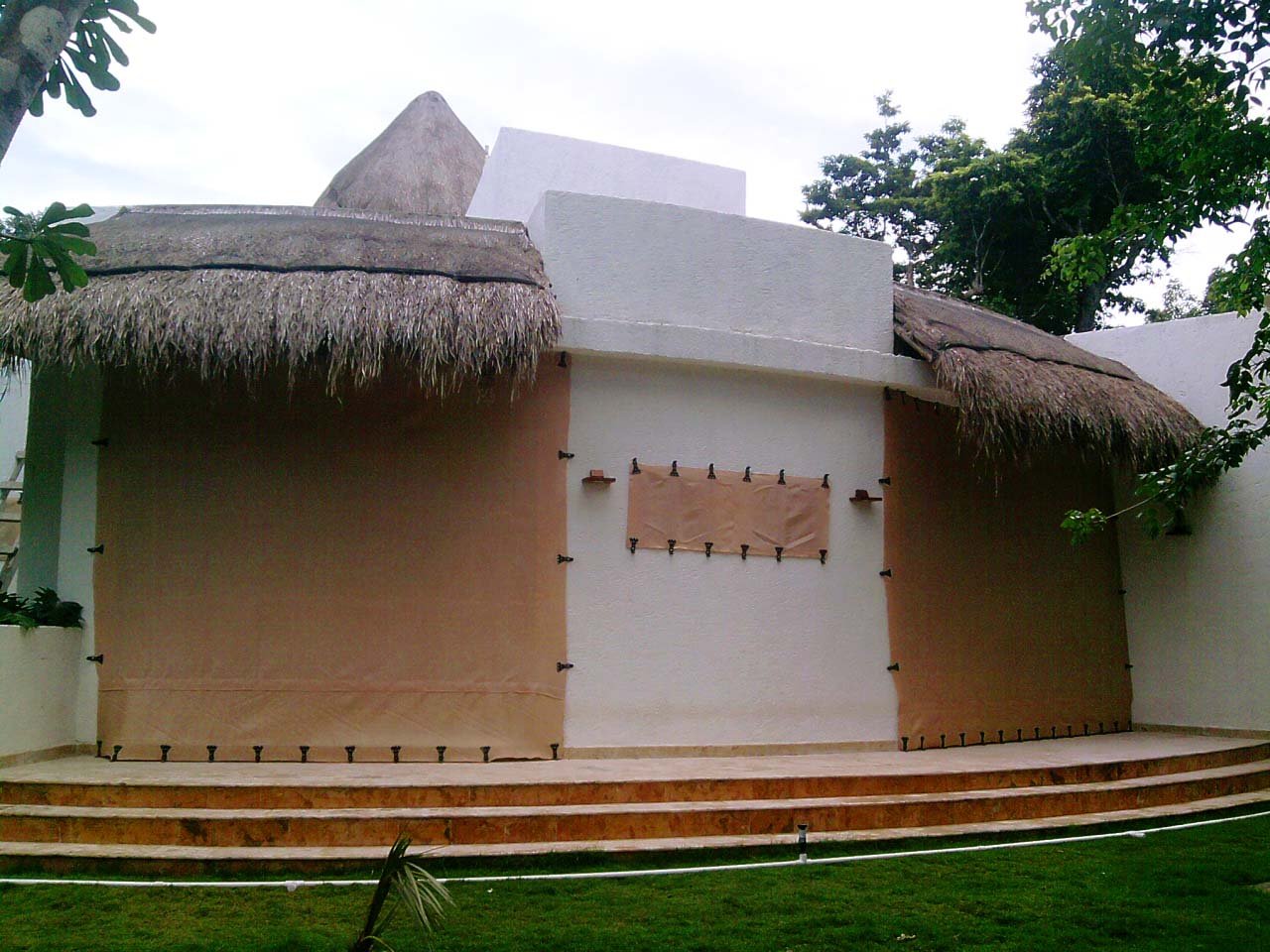
Certified systems typically use high-resistance polymers, structural-grade technical fabrics (in hurricane tarps), mesh designed to dissipate energy, and structurally calculated anchoring systems.
In contrast, uncertified systems frequently use generic materials, have no load calculations, lack installation engineering, and rely more on appearance than real performance.
Application in Hotels and Developments
For hotels, developers, and large-scale projects, choosing certified systems is not optional — it is a strategic decision.
The reasons are clear: protection of multimillion-dollar assets, operational continuity after the hurricane, compliance with international standards, and reduction of legal and liability risks.
For certified systems: www.hurricanesolution.com/proteccion-contra-huracanes
For hotels: www.hurricanesolution.com/hoteles
For commercial developments: www.hurricanesolution.com/comercial
Key facts
- Key fact: Certified hurricane systems can withstand impacts equivalent to projectiles launched at over 50 km/h
- Structural risk: 80% of severe hurricane failures begin with the rupture of an opening (window or door)
- Key regulations: Florida Building Code and Miami-Dade are international references for Category 5 protection
- Critical application: Hotels and developments in coastal zones require certified hurricane systems to mitigate operational losses
Conclusion
Choosing between a certified hurricane system and an uncertified one is not a minor decision — it is a structural decision.
In high-risk zones like the Riviera Maya, where hurricanes are not a possibility but a cyclical certainty, depending on untested systems means assuming unnecessary risk.
Real hurricane protection is not based on commercial promises, but on engineering, testing, and verifiable certifications.
For more information: www.hurricanesolution.com | Frequently asked questions
FAQ
How can I know if a hurricane system is certified?It must have official documentation such as Miami-Dade NOA or ASTM tests. If no verifiable evidence exists, it is not certified.
Can hurricane tarps be certified?Yes, as long as they comply with impact and pressure tests under international standards.
Is a more expensive system always better?It is not about price, but about certification, engineering, and proven performance.
Is it mandatory to use certified systems in Mexico?Not in all cases, but in high-level projects it is increasingly a required standard.
What type of property needs the most protection?Hotels, oceanfront developments, and high-value properties are the most exposed to severe damage.