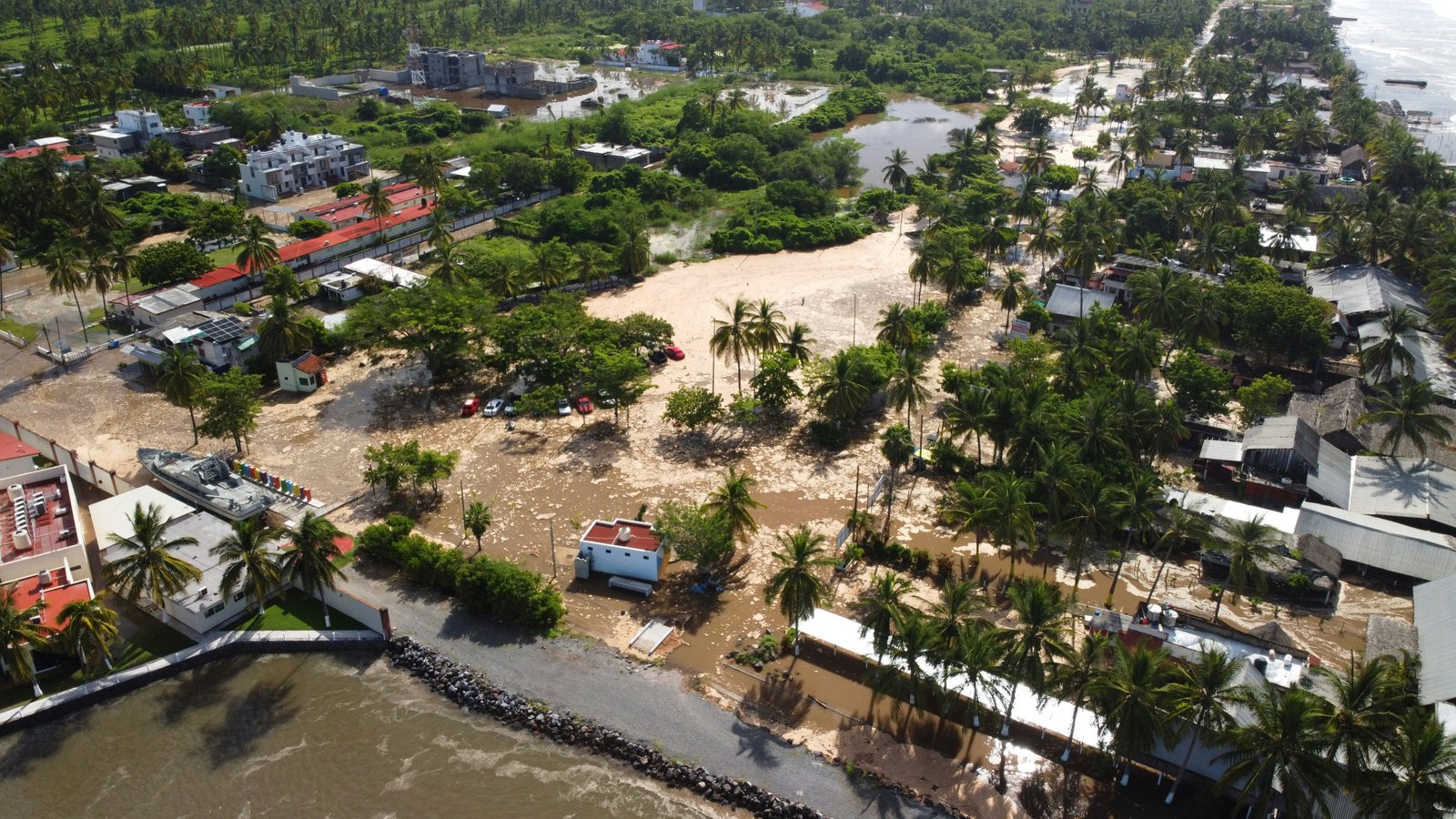
Quick Answer
Category 5 hurricane protection refers to systems designed to withstand winds above 250 km/h, high-speed debris impacts, and extreme pressure changes. Most systems don't meet the standard because they are not certified under real impact and pressure standards, or they fail under critical conditions such as internal pressurization of the property.
What Category 5 Protection Really Means
When people talk about Category 5 hurricane protection, many assume it simply means stronger materials or thicker structures. However, the reality is far more complex.
A Category 5 hurricane doesn't just mean extreme winds — it means a combination of destructive forces: negative pressure, high-speed debris impact, structural vibrations, and sudden changes in the internal pressure of buildings.
The Most Common Mistake: Assuming Any Resistant System Is Enough
One of the most common mistakes is assuming that any resistant system can handle these conditions. Most solutions available in the Mexican market are not designed to meet international standards such as those from Florida (Miami-Dade) or equivalent ballistic impact tests.
When a window or door fails during a hurricane, it's not just that point that breaks. A critical phenomenon occurs: internal pressurization. Wind enters the property and exerts outward force, which can cause roof or full wall collapse.
Tests That Certified Systems Must Pass
For this reason, hurricane protection systems must comply with specific tests:
- Projectile impact (large missile impact test)
- Resistance to positive and negative pressure
- Cyclic load testing
- Real structural certifications
Certified hurricane tarps and mesh systems have proven to be among the most efficient solutions when correctly designed, installed, and anchored to the structure.
Not All Tarps or Mesh Are Equal
However, not all tarps or mesh are equal. Many economical options have no certification, don't meet adequate tension requirements, or fail at anchor points.
For hotels, developments, and high-value properties in areas such as the Riviera Maya, Baja California Sur, or Cancún, choosing the wrong system can represent millions in losses.
This is where the difference between a supplier and a certified specialist becomes critical.
For certified systems in Mexico: www.hurricanesolution.com/proteccion-contra-huracanes
For hotel and development protection: www.hurricanesolution.com/hoteles
For construction in the Riviera Maya: www.playabuilder.com
Key facts
What defines real Category 5 protection?
- Resistance to winds above 250 km/h
- Compliance with international standards (e.g. Miami-Dade)
- High-speed projectile impact testing
- Ability to prevent internal pressurization
- Certified structural anchoring systems
Most common failure in uncertified systems:
- Breakage at fixing points
- Material tearing under cyclic pressure
- Installations without structural calculation
- Absence of real laboratory testing
Conclusion
Category 5 hurricane protection is not about thicker materials — it's about engineering, certification, and a real understanding of hurricane behavior.
Choosing the right system doesn't just protect windows or facades — it protects the complete structural integrity of the building.
In high-risk environments, the difference between a certified system and a generic one can be the difference between minor damage and total loss.
For more information: www.hurricanesolution.com | Frequently asked questions
FAQ
Do all hurricane protection systems withstand Category 5?No. Most systems on the market have not been tested under real impact and pressure conditions equivalent to a Category 5 hurricane.
What certification should I look for?Certifications such as Miami-Dade or equivalent impact and pressure tests are essential to guarantee real performance.
Do hurricane tarps really work?Yes, but only when they are certified systems, correctly tensioned and structurally anchored.
Why is it so important to prevent internal pressurization?Because once wind enters the property, it can generate internal forces that compromise roofs and walls, causing serious structural failures.
Is this type of protection only for hotels?No, but it is especially critical in hotels, developments, and high-value properties where the financial risk is significantly greater.